urbaMonde hosted MOBA Housing SCE and its European partners for a week of discussions in Geneva on the financing of housing co-operatives and collaborative housing.
On the occasion of the International Day of Cooperatives, urbaMonde had the pleasure of welcoming to Geneva a delegation from its partner MOBA Housing SCE, composed of Ana Džokić, Marc Neelen, Adél Csűrök, and Zsuzsanna Pósfai, together with Giulia Barnhisel from the European Community Land Trust Network (ECLTN), and Dali Malnoury, representing the Community Land Trusts Brussels (CLTB).
Throughout the week, these key actors in collaborative housing came together to exchange on the challenges of financing, explore Switzerland’s cooperative housing model, and strengthen collaboration within the European Alliance for Collaborative Housing. To find out more, read our article on the formation of l’Alliance.
Exploring Geneva's Cooperative Housing Ecosystem
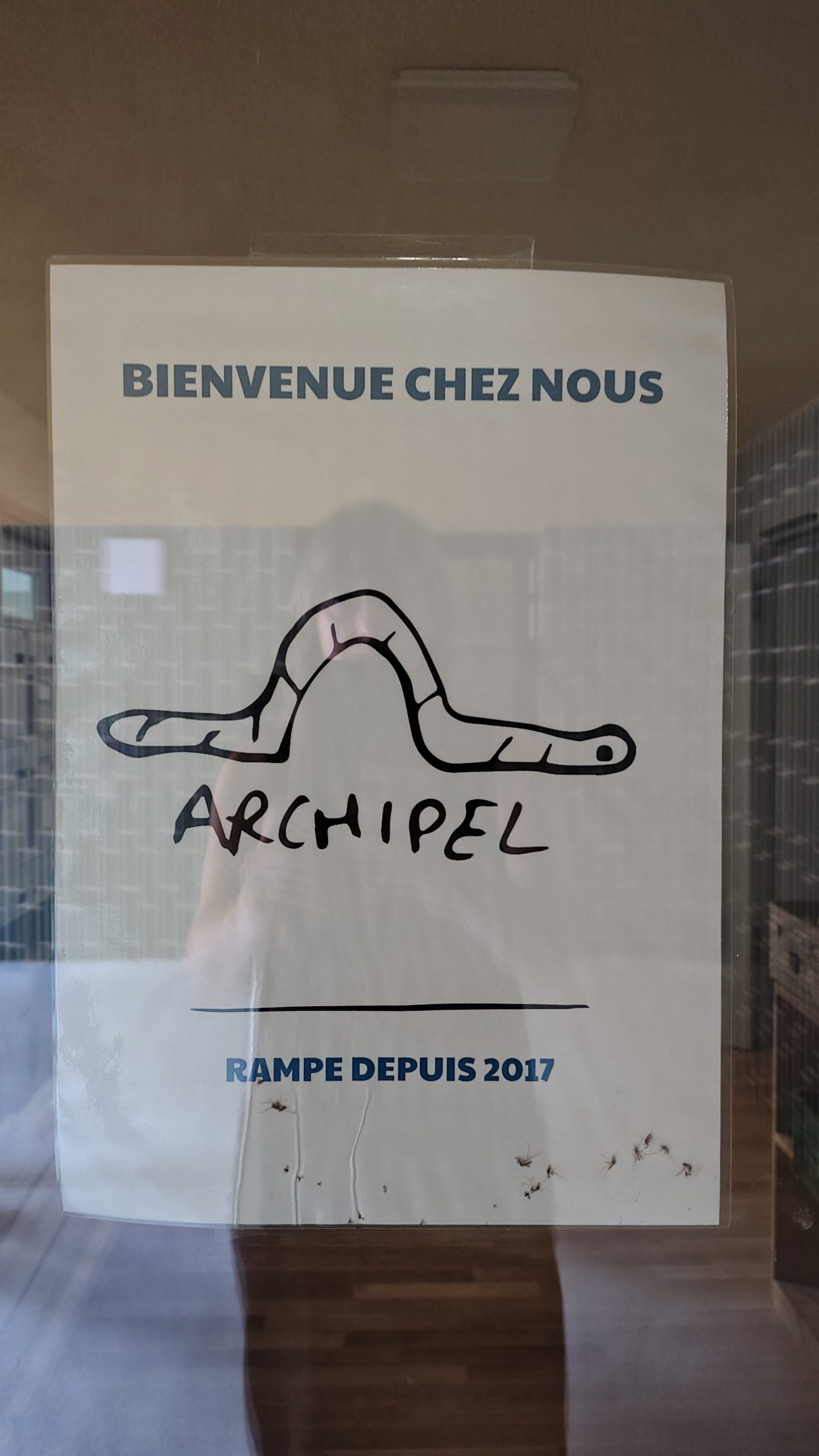
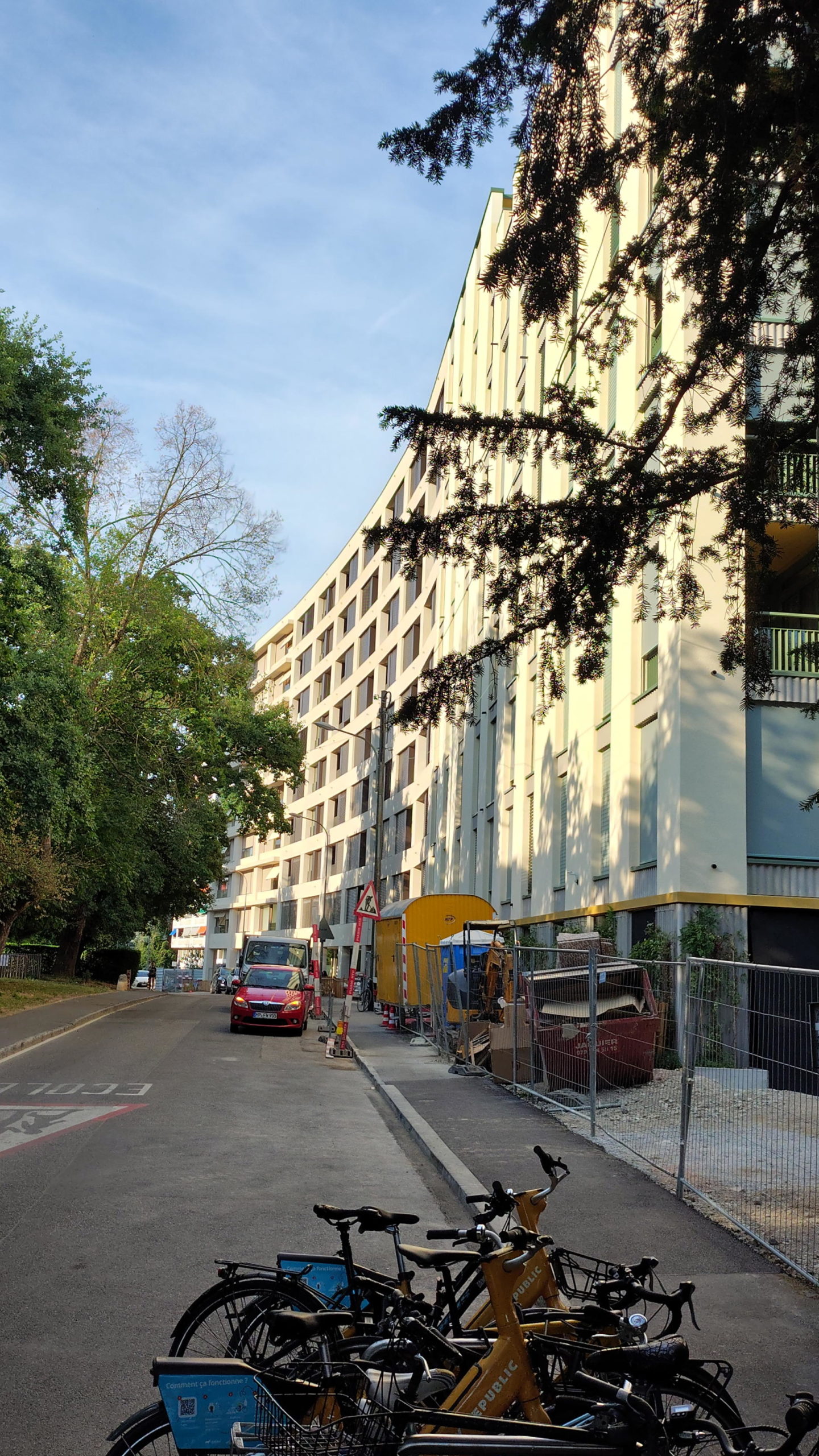
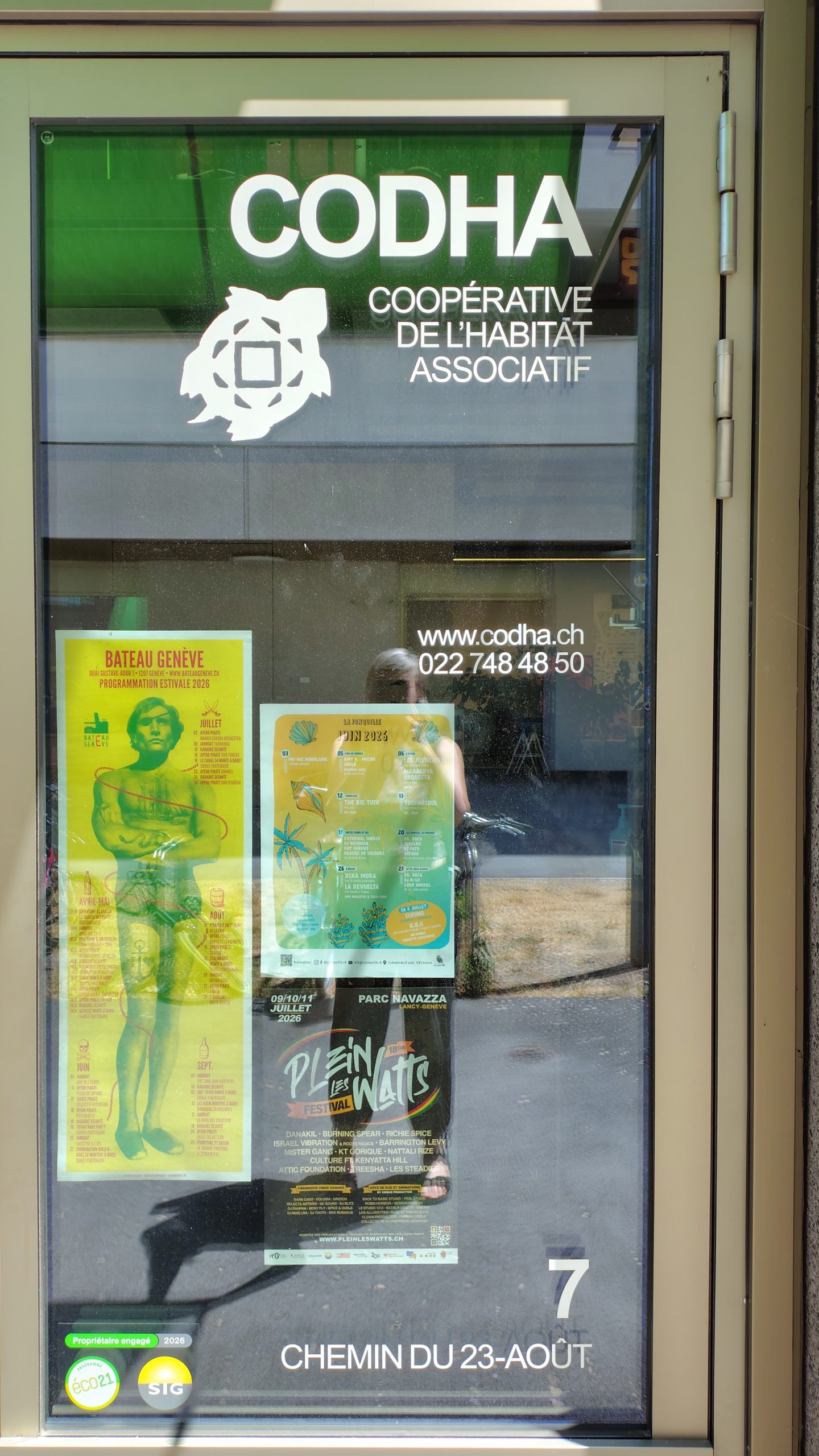

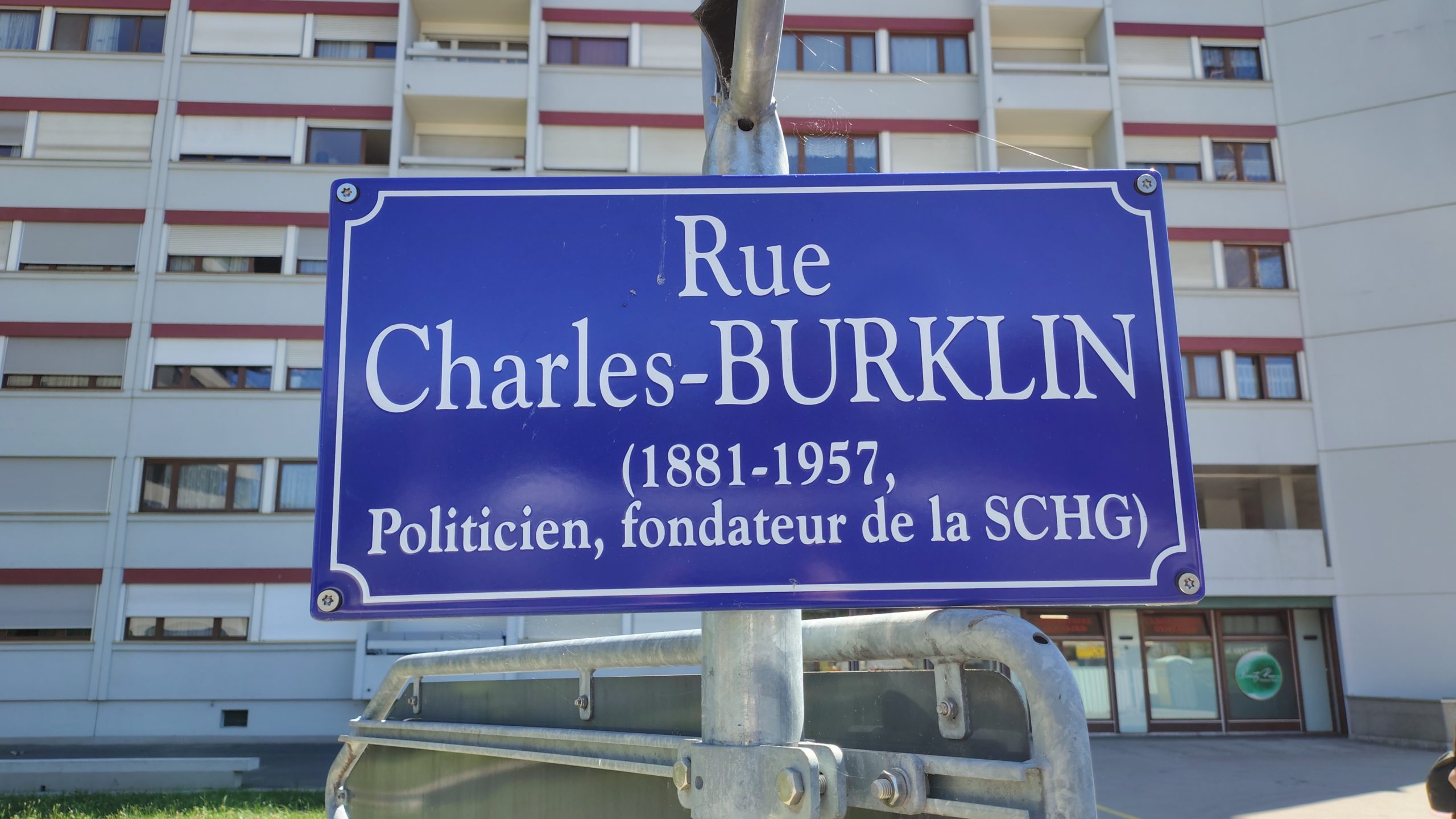
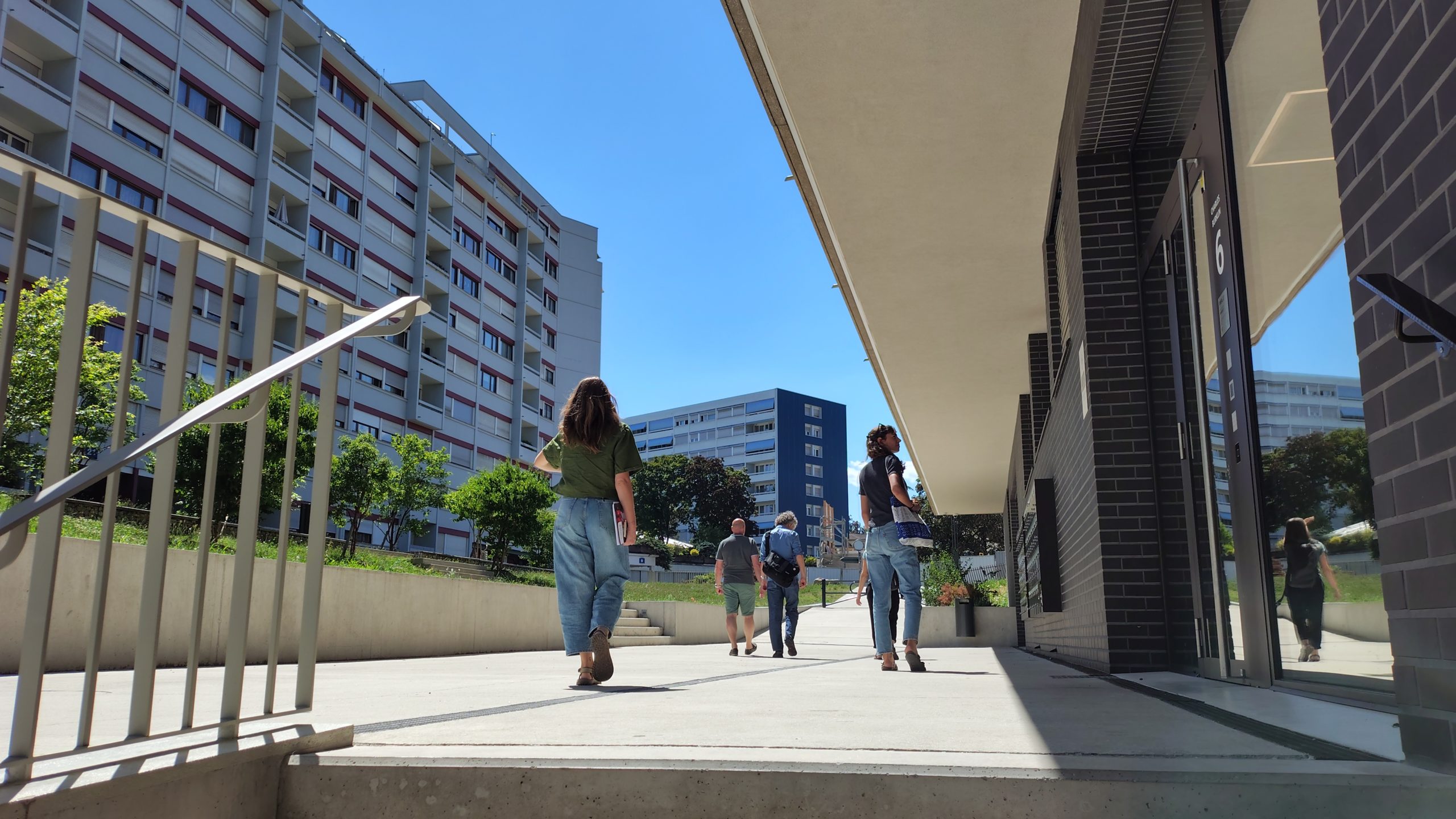
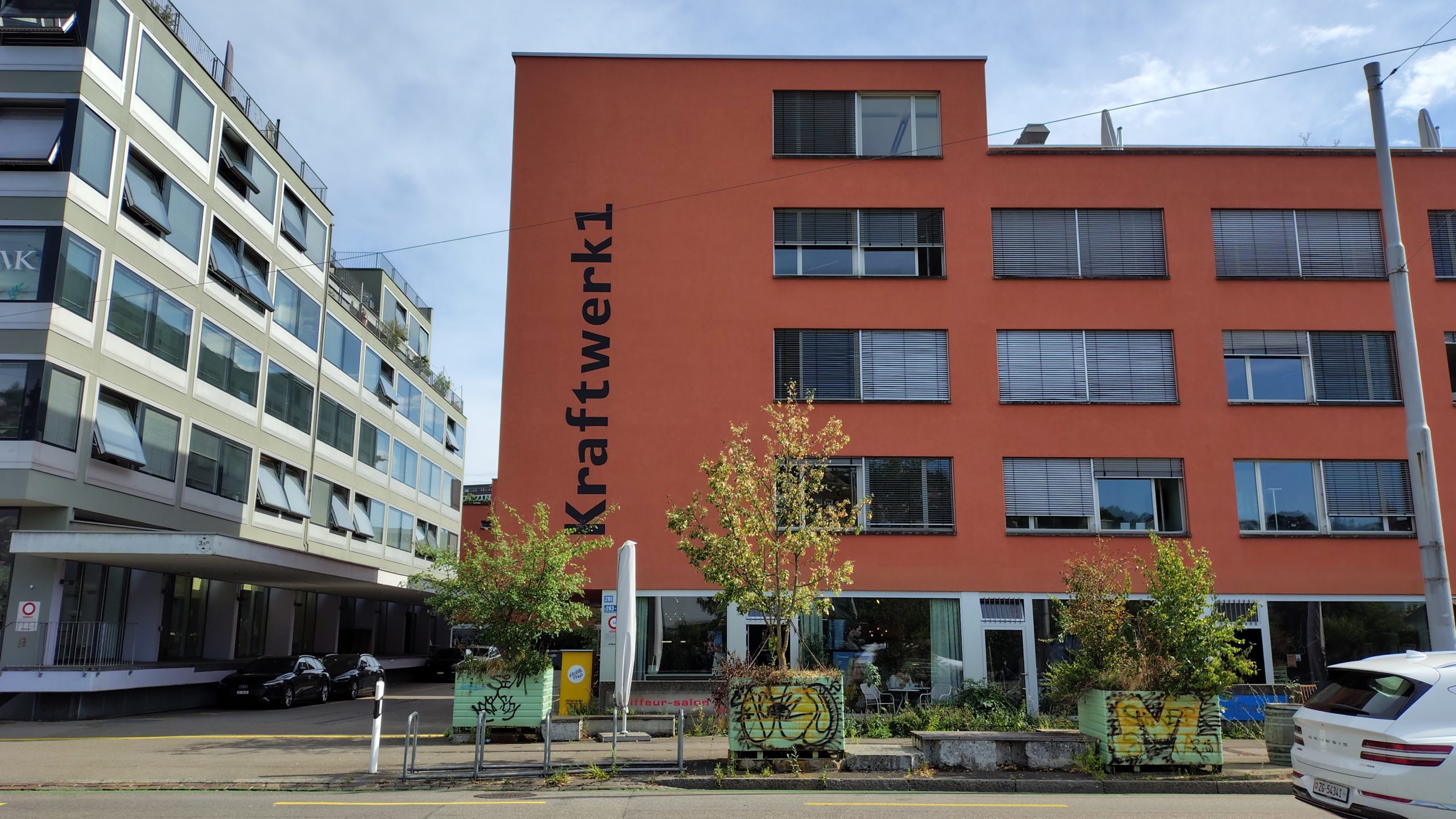
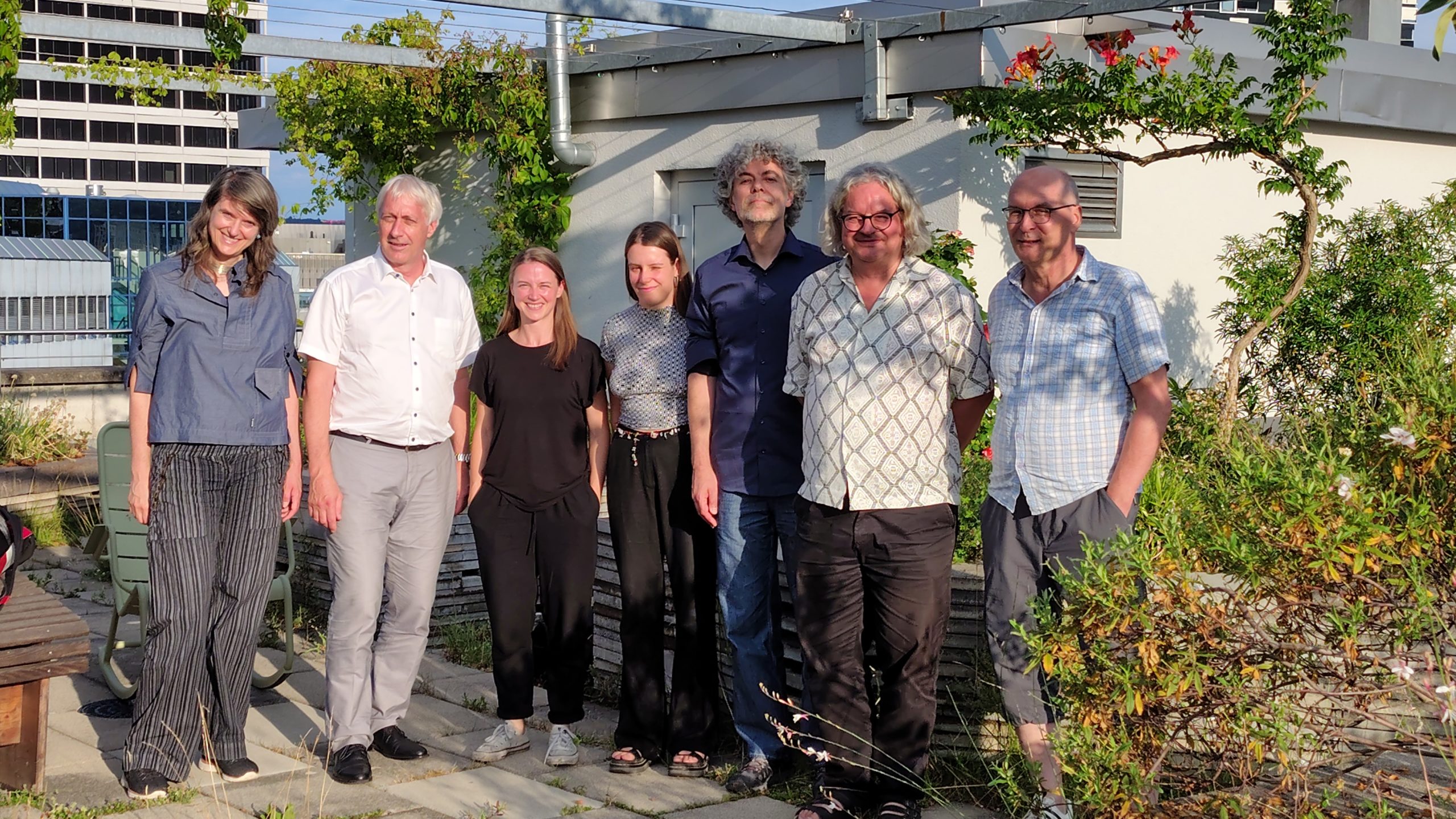
During the week, the delegation met with several Geneva-based cooperatives and organisations to gain a deeper understanding of the mechanisms that have enabled Switzerland’s cooperative housing model to flourish.
Participants visited the housing cooperatives CODHA, Archipel, Équilibre and the Société Coopérative d’Habitation Genève (SCHG), and met with Philea, a cooperative that facilitates access to credit for agricultural producer cooperatives and savings-and-credit cooperatives in Africa and Latin America. These visits provided an opportunity to discuss governance models, access to land, financial structures, and the conditions that support the development of permanently affordable housing.
The delegation also travelled to Zurich to meet with leading experts on Swiss cooperative housing, including Hans Rupp (former ABZ and Kraftwerk1 CEO), Andreas Wirz (WBG Zurich), and Franz Horvath (WBG Switzerland), to discuss possibilities of developing international solidarity between cooperatives, building on previous exchanges and the long history and wide practices of the Swiss housing cooperative movement.
Accelerating Finance for Collaborative Housing Projects

One of the main objectives of the visit was to present the MOBA’s Accelerator, a translocal, cooperatively owned financial instrument designed to address one of the most significant barriers faced by citizen-led housing initiatives: access to early-stage financing.
MOBA focuses on Central and South-Eastern Europe, where this issue is particularly pronounced due to a lack of alternatives to private ownership and of institutional support for cooperativism.
As the MOBA team explained, communities in their region are often ready to develop their projects but struggle without institutional and banking support. At the same time, financial institutions typically require such a track record before granting a loan. This vicious circle significantly slows the development of new collaborative housing initiatives.
The MOBA Accelerator aims to bridge this gap by providing the initial financing needed for groups to reach this critical stage. Participants were introduced, among other examples, to Ganz81 – a student housing cooperative in Budapest, Hungary, that has successfully benefited from this mechanism in its initial purchase phase.
One of the purposes of the visit was to explore opportunities for the established Swiss co-op housing ecosystem to contribute in solidarity to MOBA’s fundraising efforts (in the form of donations) for the first 1 MIO EURO – forming the foundation layer of the Accelerator.
A Roundtable to Explore European Solutions
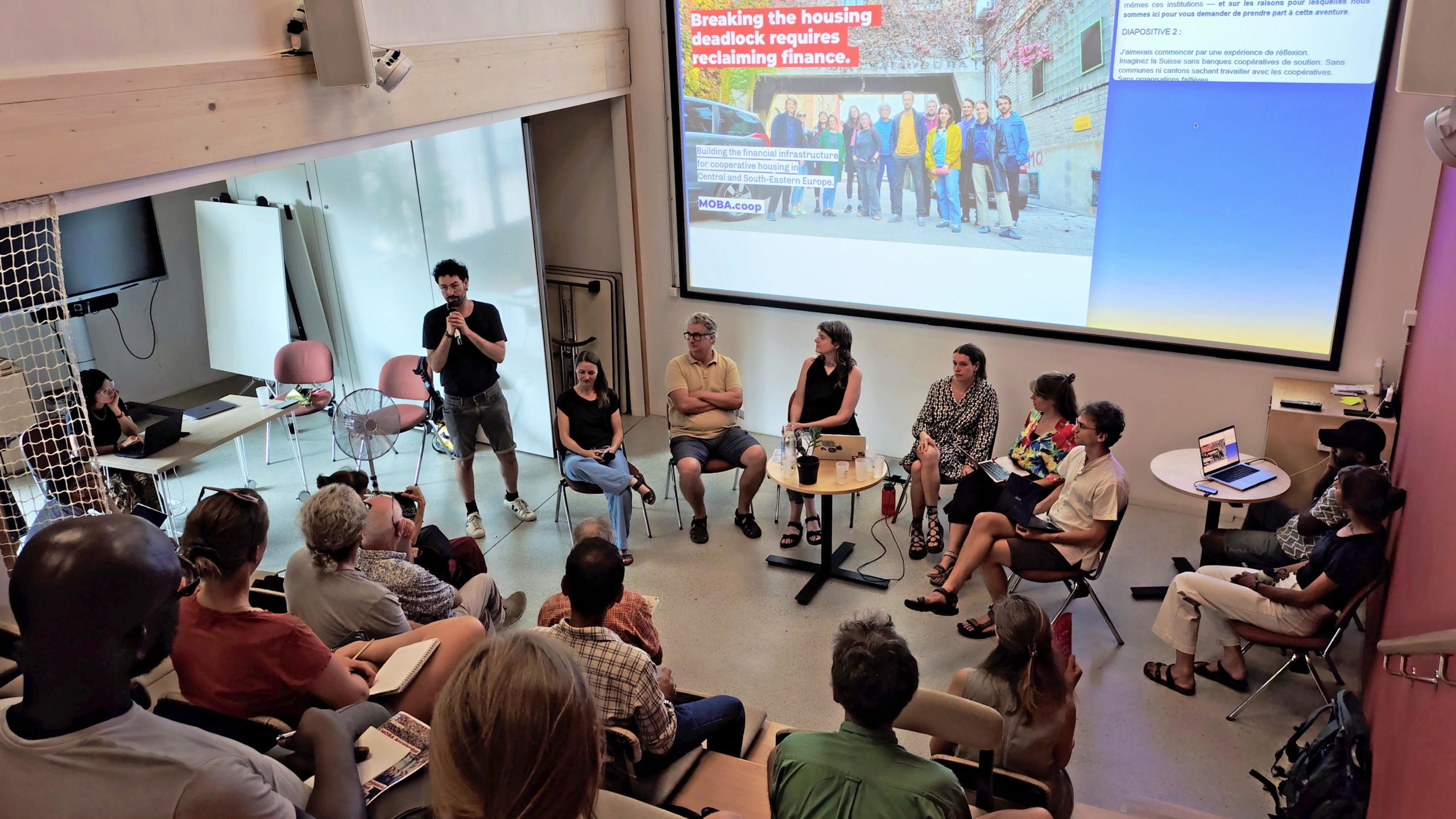
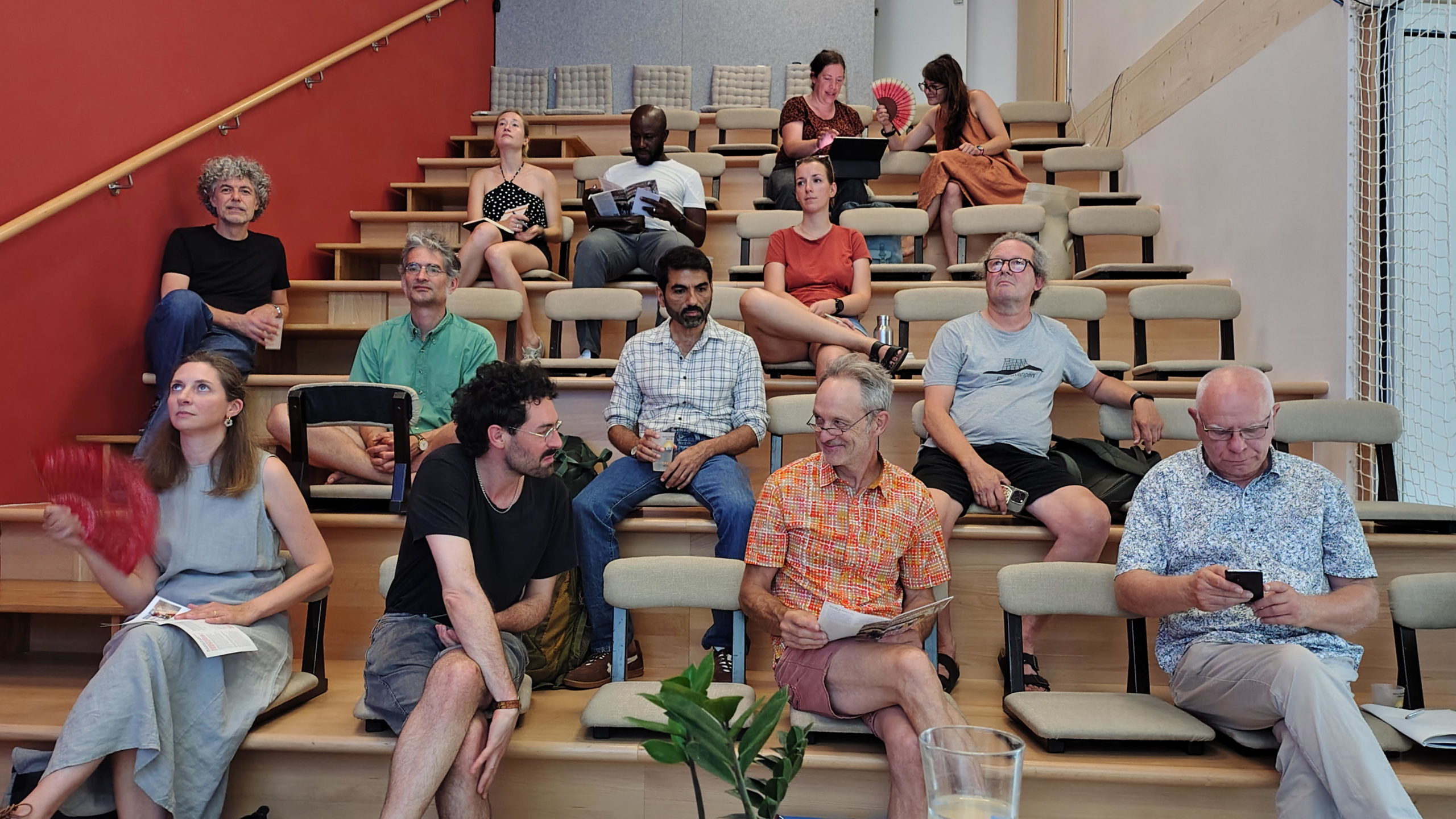
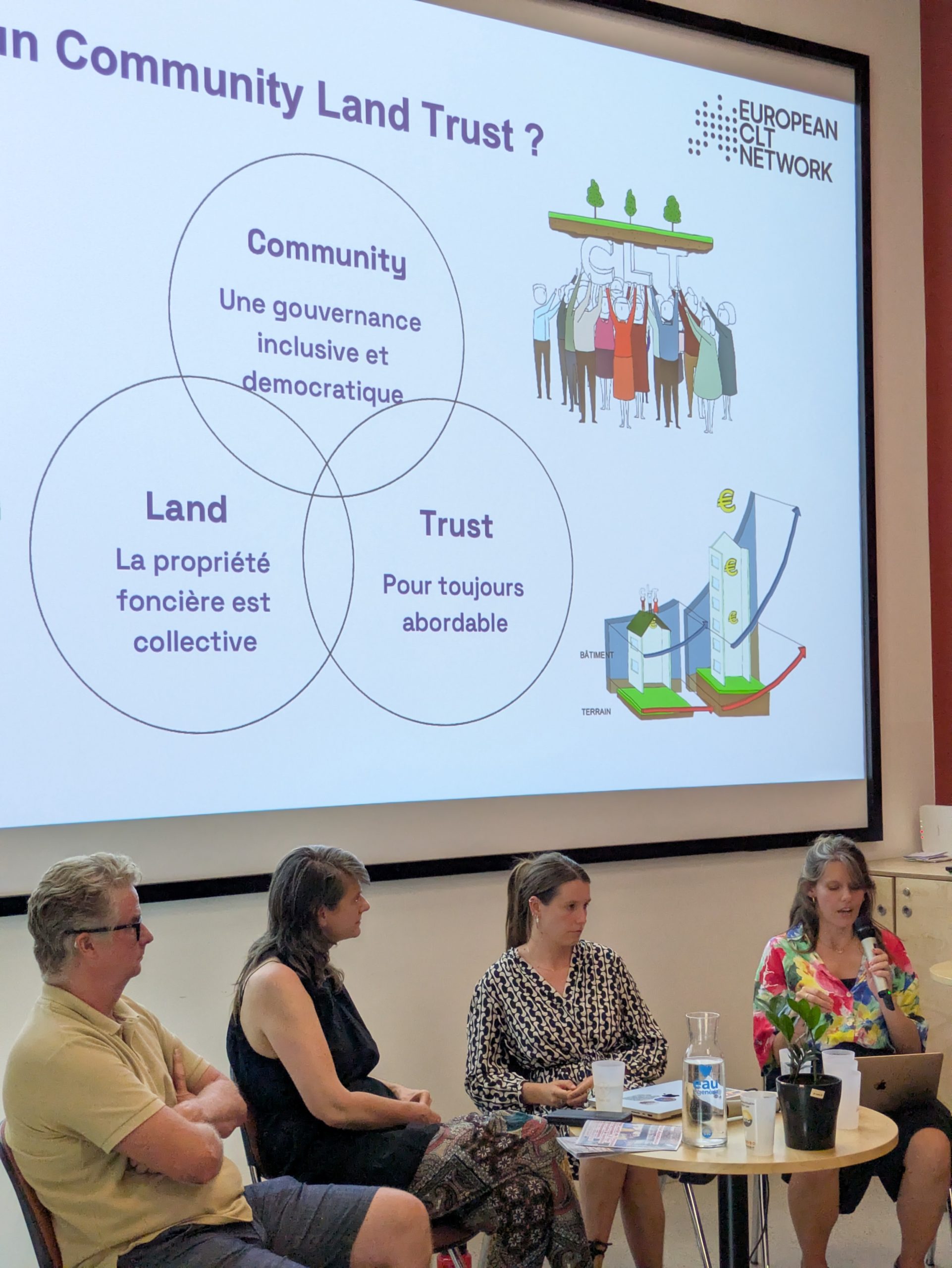
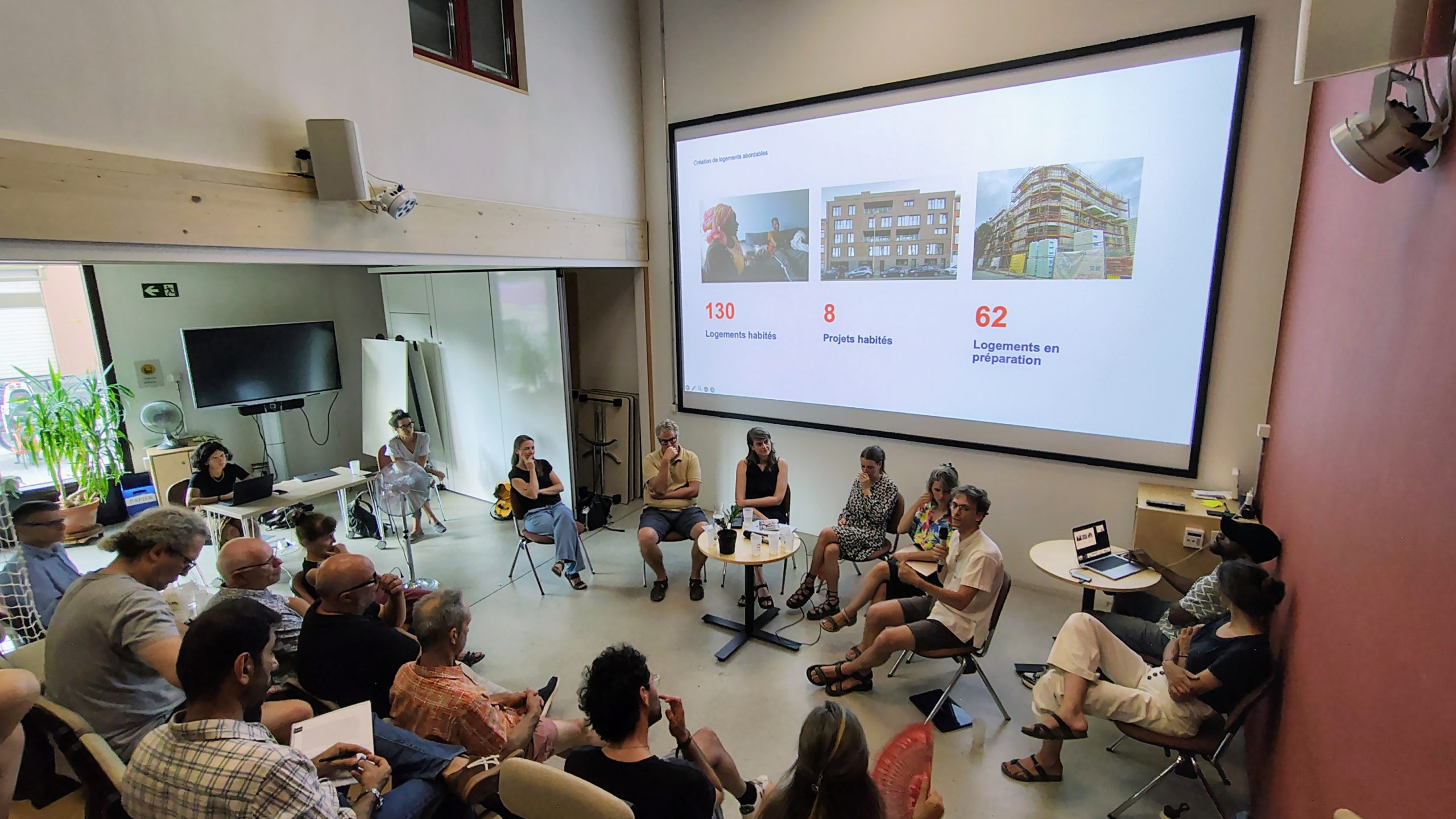
The highlight of the week was a roundtable organised in partnership with APRÈS-GE bringing together MOBA Housing Network, the European Community Land Trust Network (ECLTN), Community Land Trust Brussels (CLTB) and CODHA around a central question: How can housing cooperatives and collaborative housing models be financed across Europe?
The discussions highlighted the complementarity of the different approaches.
MOBA shared its experience in developing innovative financing mechanisms tailored to emerging projects in the context where rental cooperative housing is gaining momentum, while ECLTN and CLTB presented the Community Land Trust model, which is based on democratic governance, collective land ownership, and the long-term preservation of affordable housing.
CODHA, for its part, presented the wide range of financial mechanisms that support the development of housing cooperatives in Geneva and across Switzerland, illustrating how a supportive ecosystem enables cooperatives to grow at scale.
Celebrating Cooperatives and Strengthening Alliances
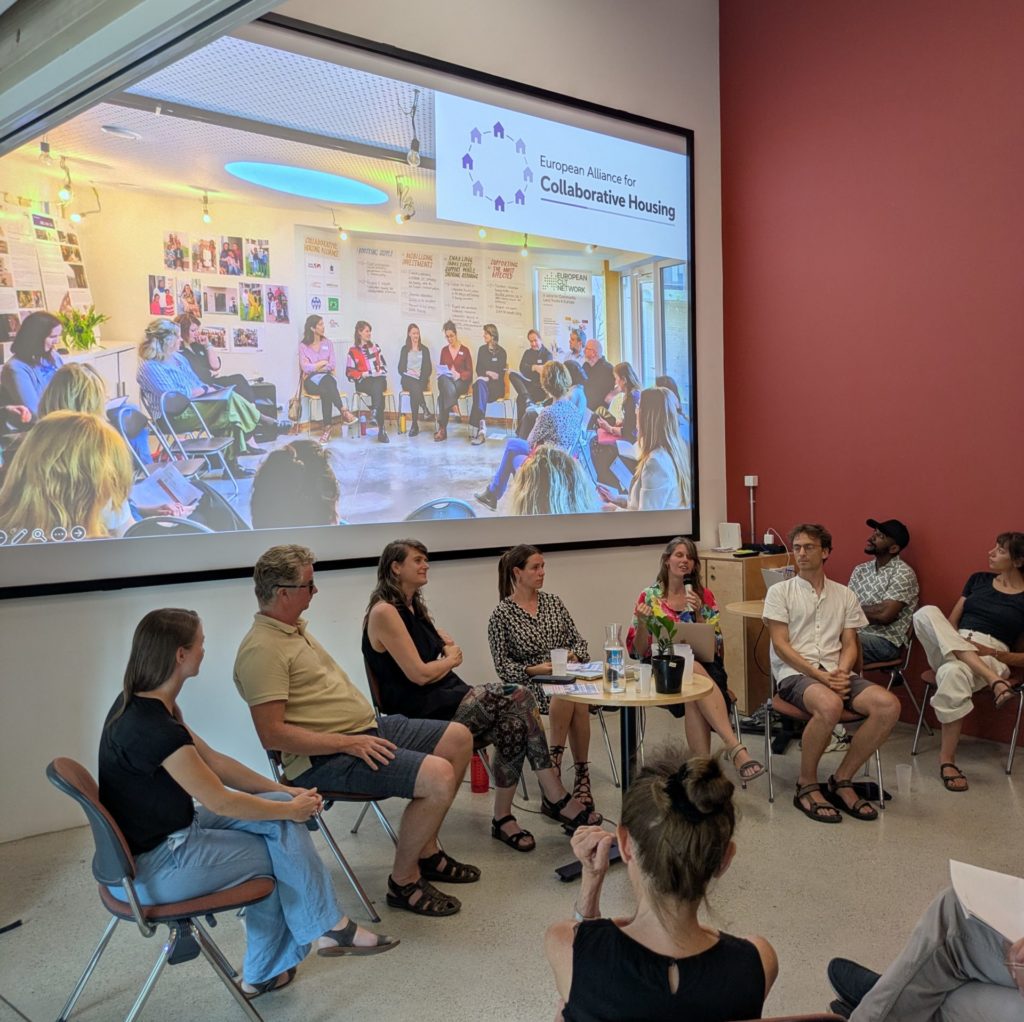
The week concluded with the delegation taking part in the Open Day of Housing Cooperatives, organised by SCHG to celebrate the International Day of Cooperatives.
Beyond the visits and presentations, the week strengthened ties between members of the European Alliance for Collaborative Housing and fostered continued dialogue on the financial tools, governance models, and public policies needed to make housing genuinely accessible.
These exchanges demonstrate the importance of international cooperation in adapting and scaling innovative solutions to today’s housing crisis. Together, the partners remain committed to developing collaborative housing models that are fairer, more inclusive, and financially sustainable across Europe.
You can also read the ECLTN report.