When communities lead, and networks support, informal neighbourhoods become laboratories for innovation and resilience
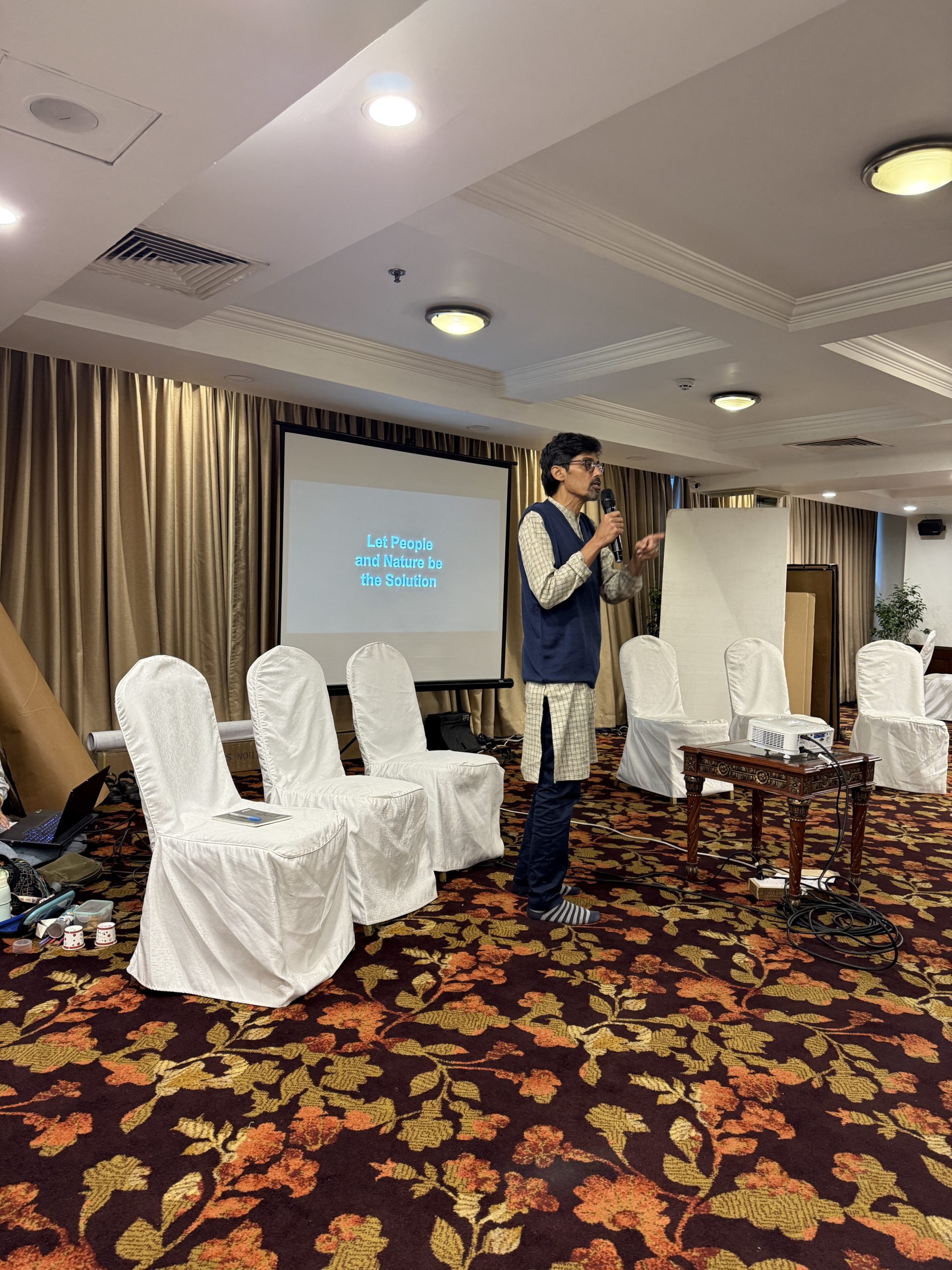
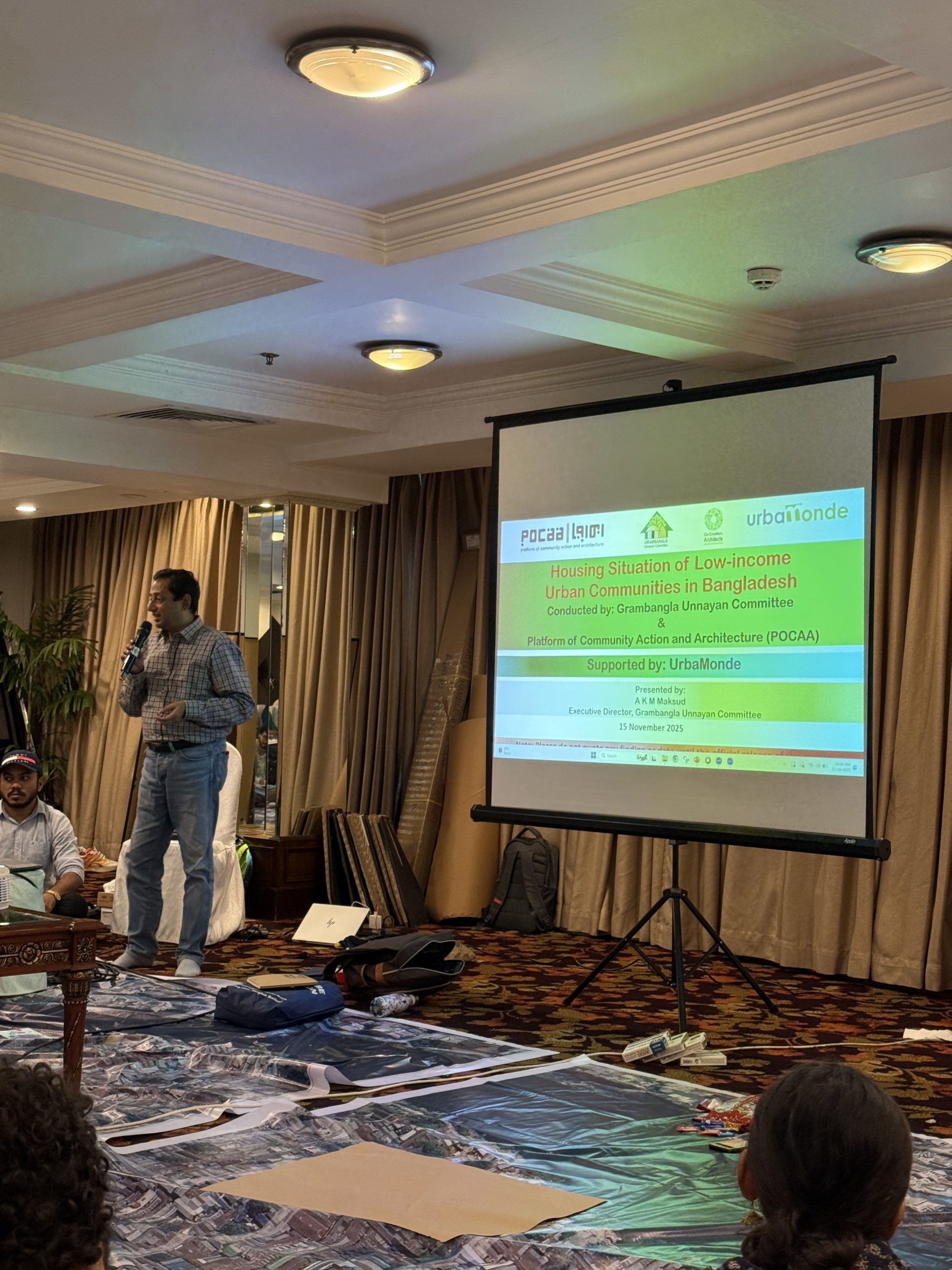
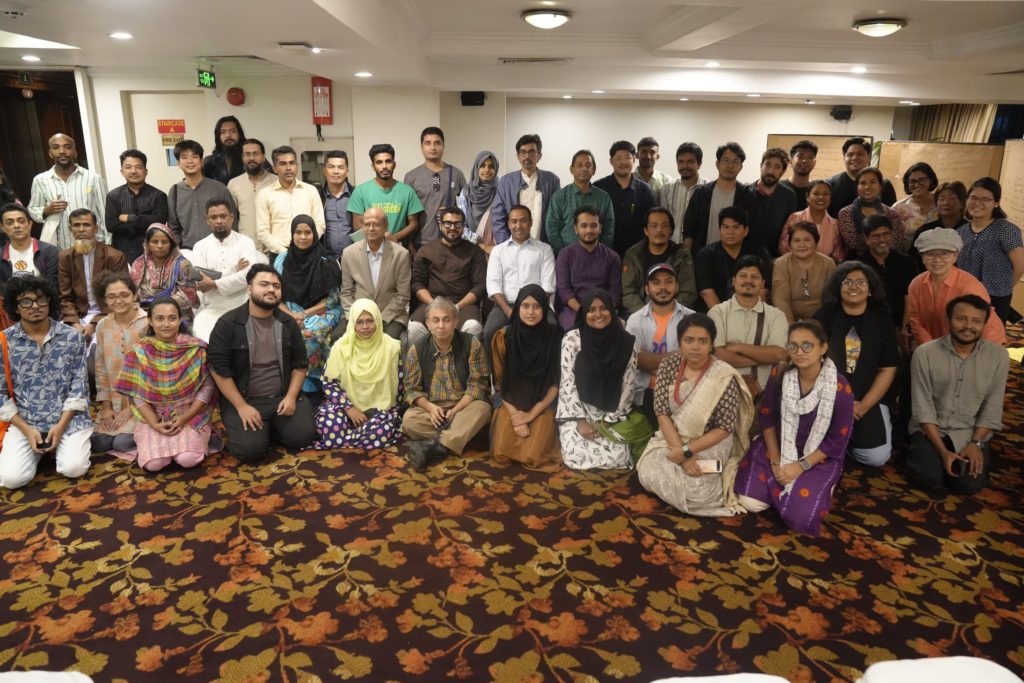
From November 17 to 21, our project managers, Régis Kacou and Nina Quintas, took part in the Collective Housing Training organised by the Platform of Community Action and Architecture (POCAA), the Community Architects Network (CAN), the Asian Coalition for Housing Rights (ACHR), and Ngor Abad. The programme combined eight online webinars led by experienced community practitioners across Asia with a five-day in-person training in Bangladesh, creating a space to deepen exchanges, learn directly from communities, and strengthen regional collaboration. You can find all the webinars here.
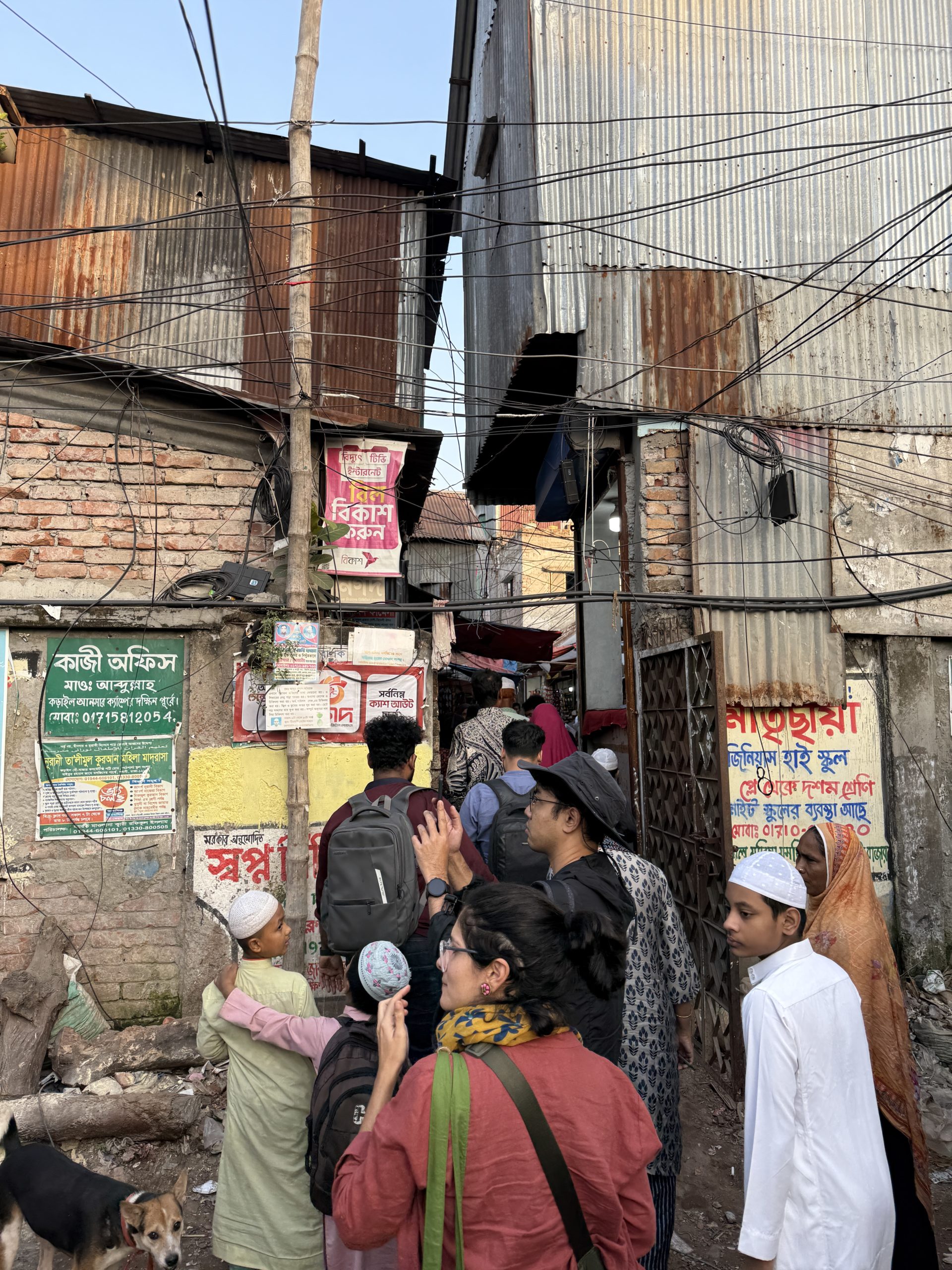
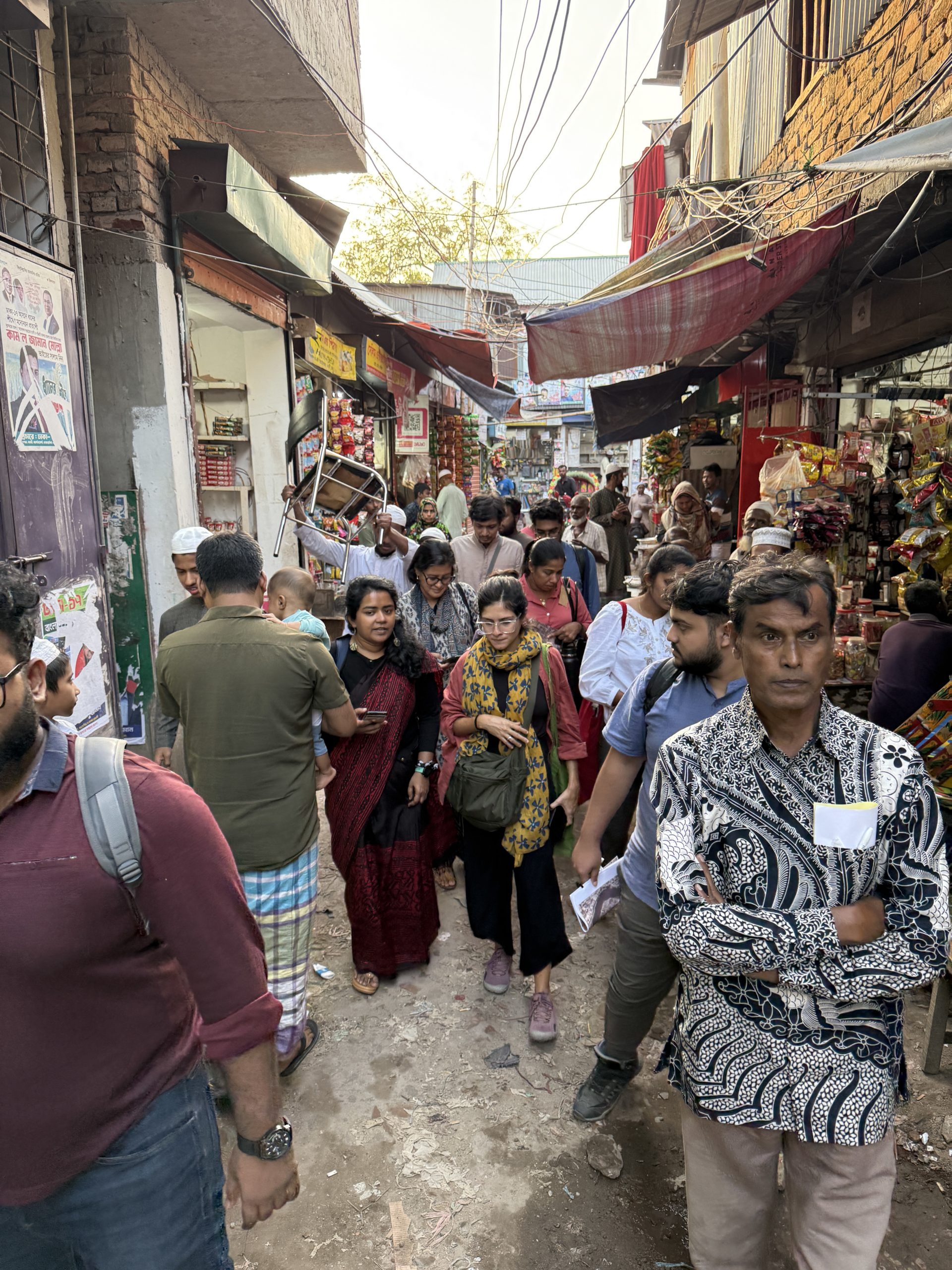
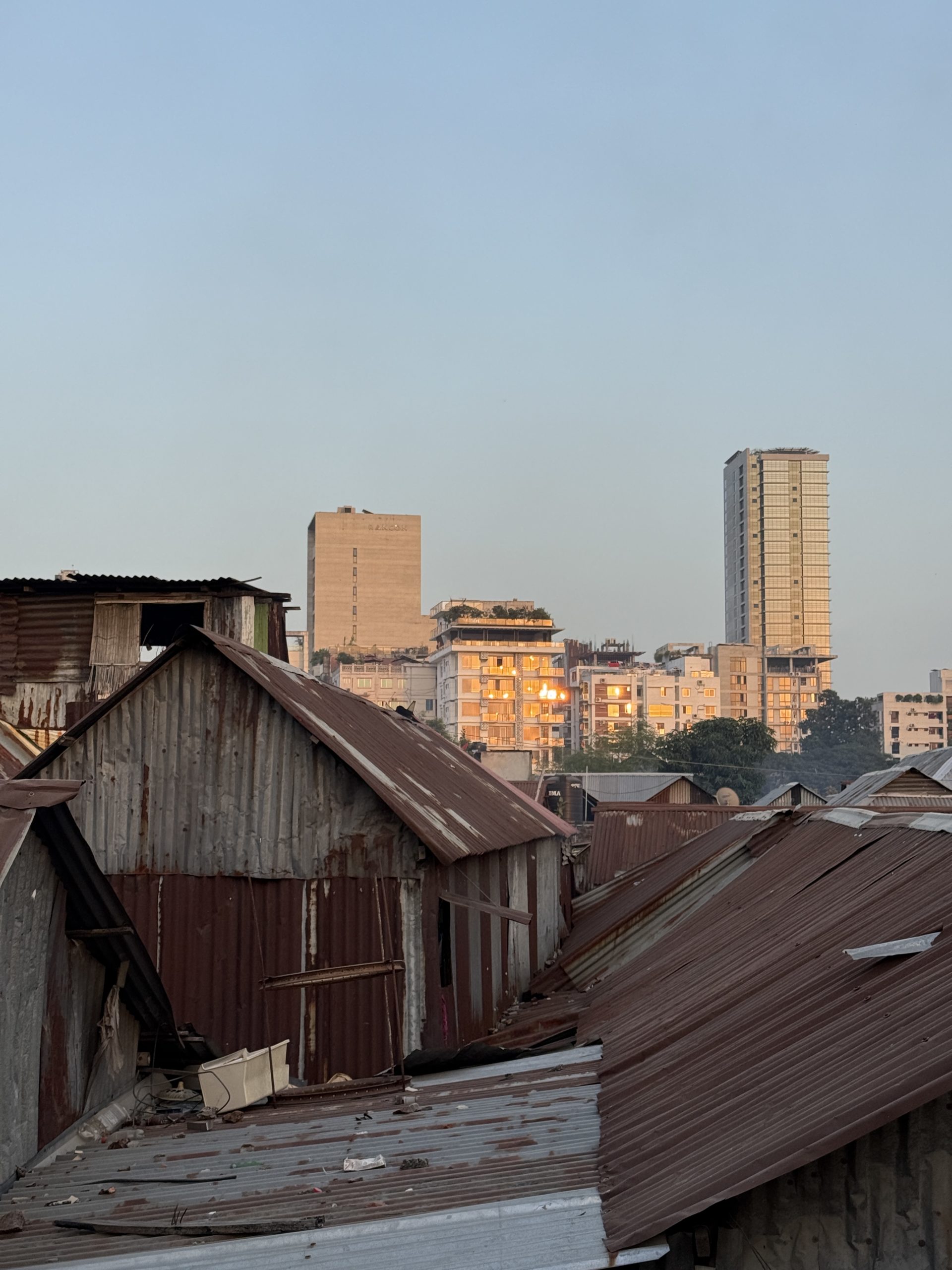
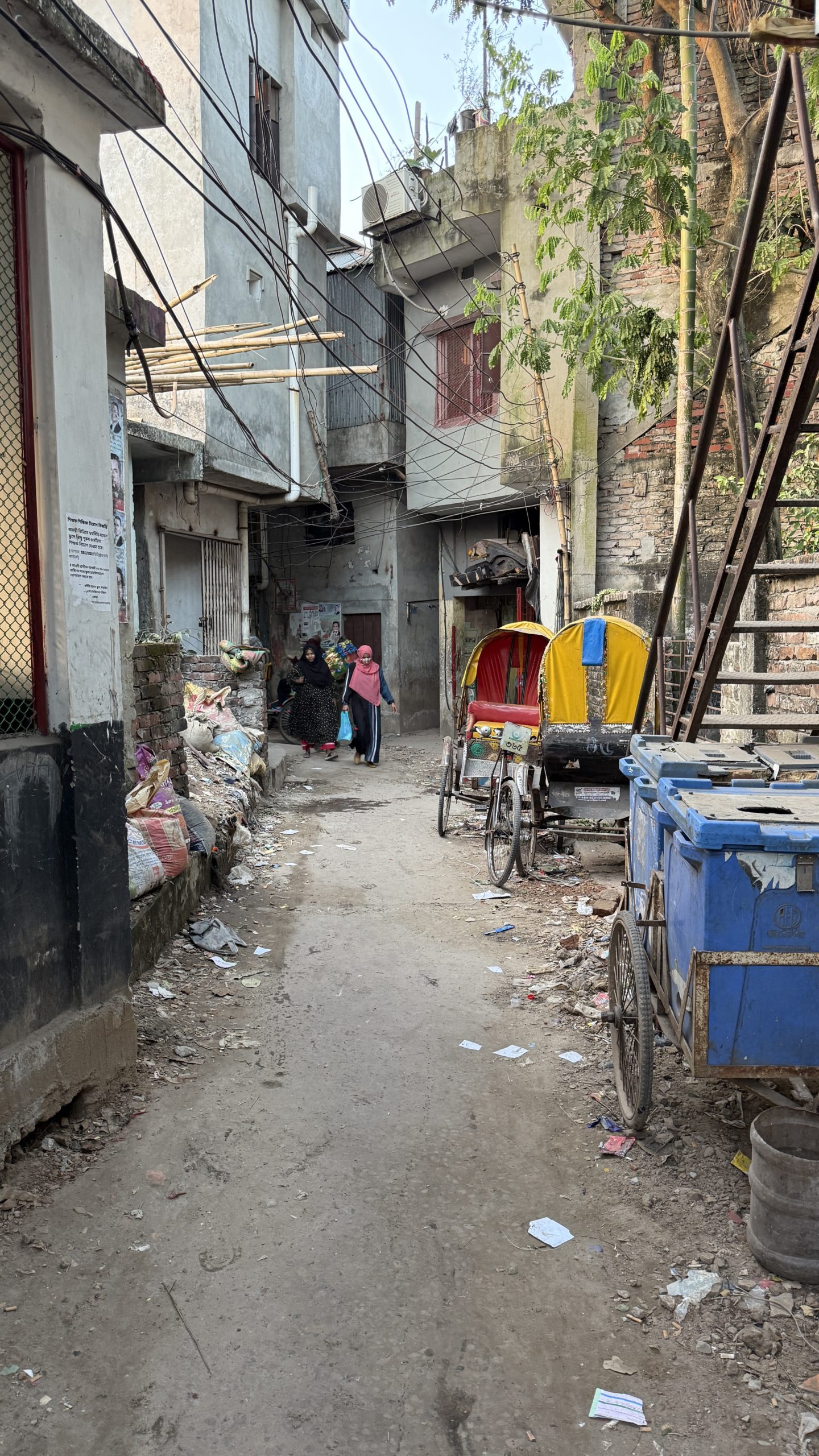
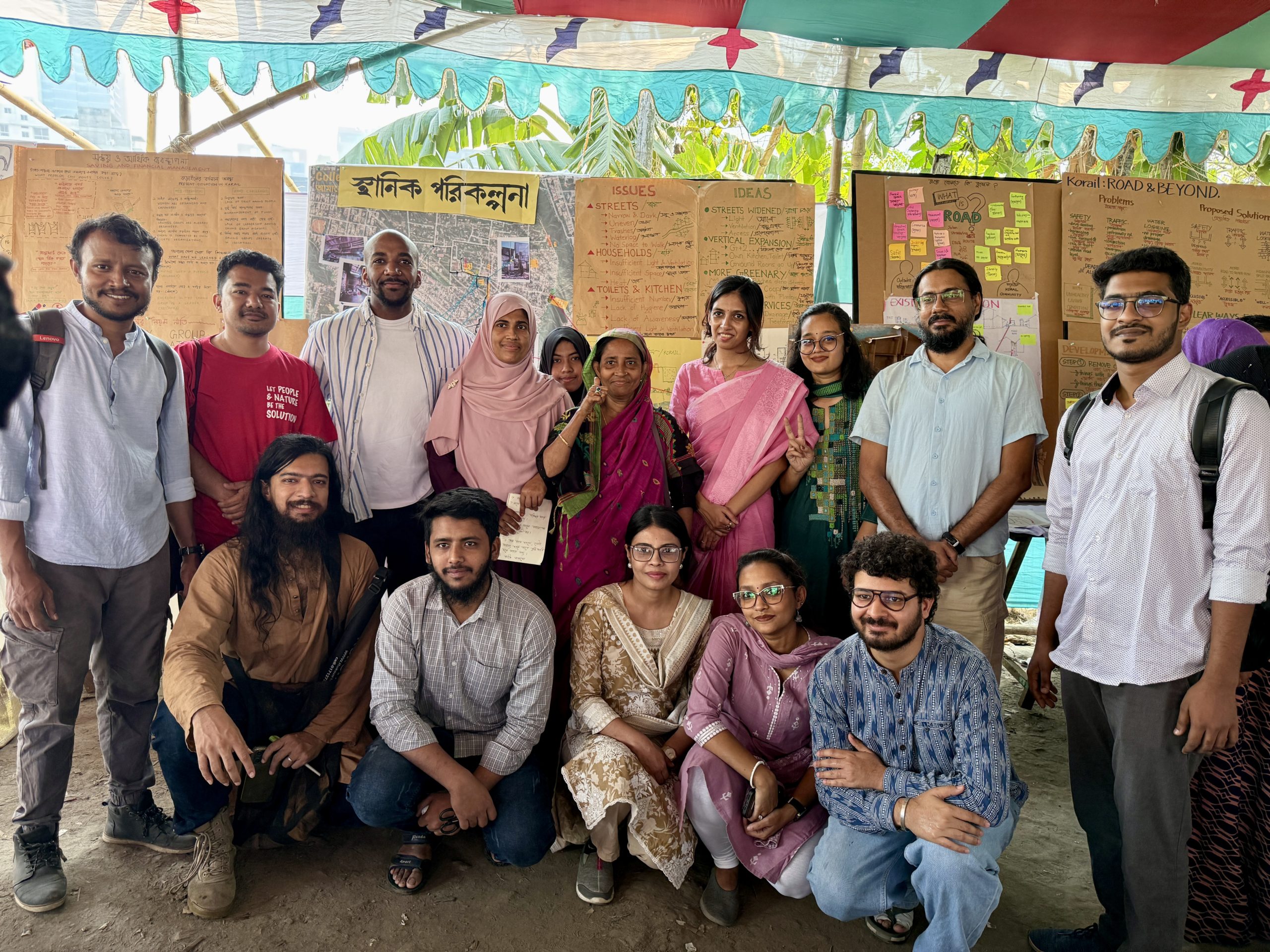
The in-person training was held in Dhaka, Bangladesh, and brought together participants from Bangladesh and more than eight other countries for a week of collective work and joint planning with members of the Korail community – one of the largest informal settlements in Dhaka, home to more than 300,000 residents and located in a high-value area of the city.
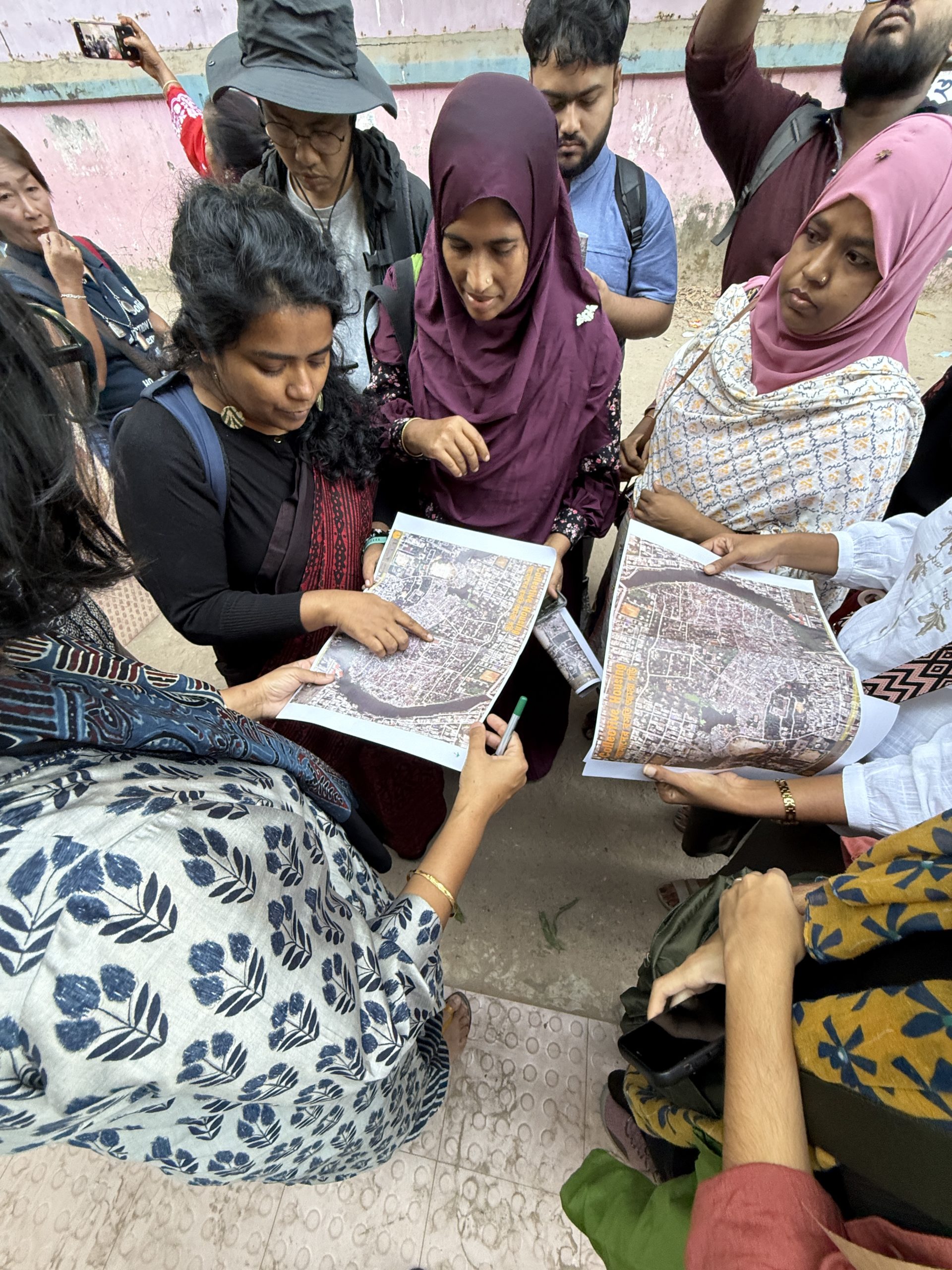
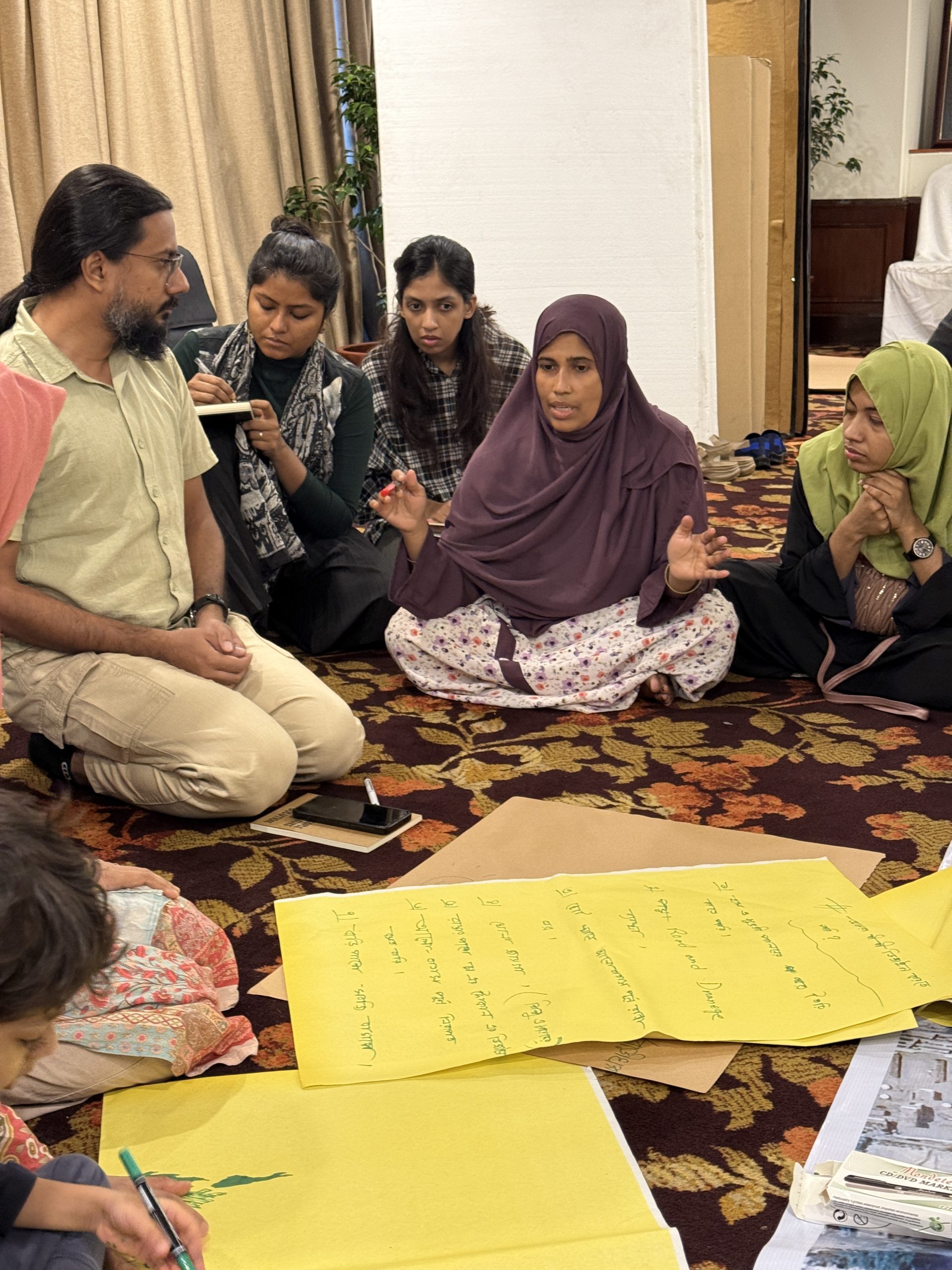
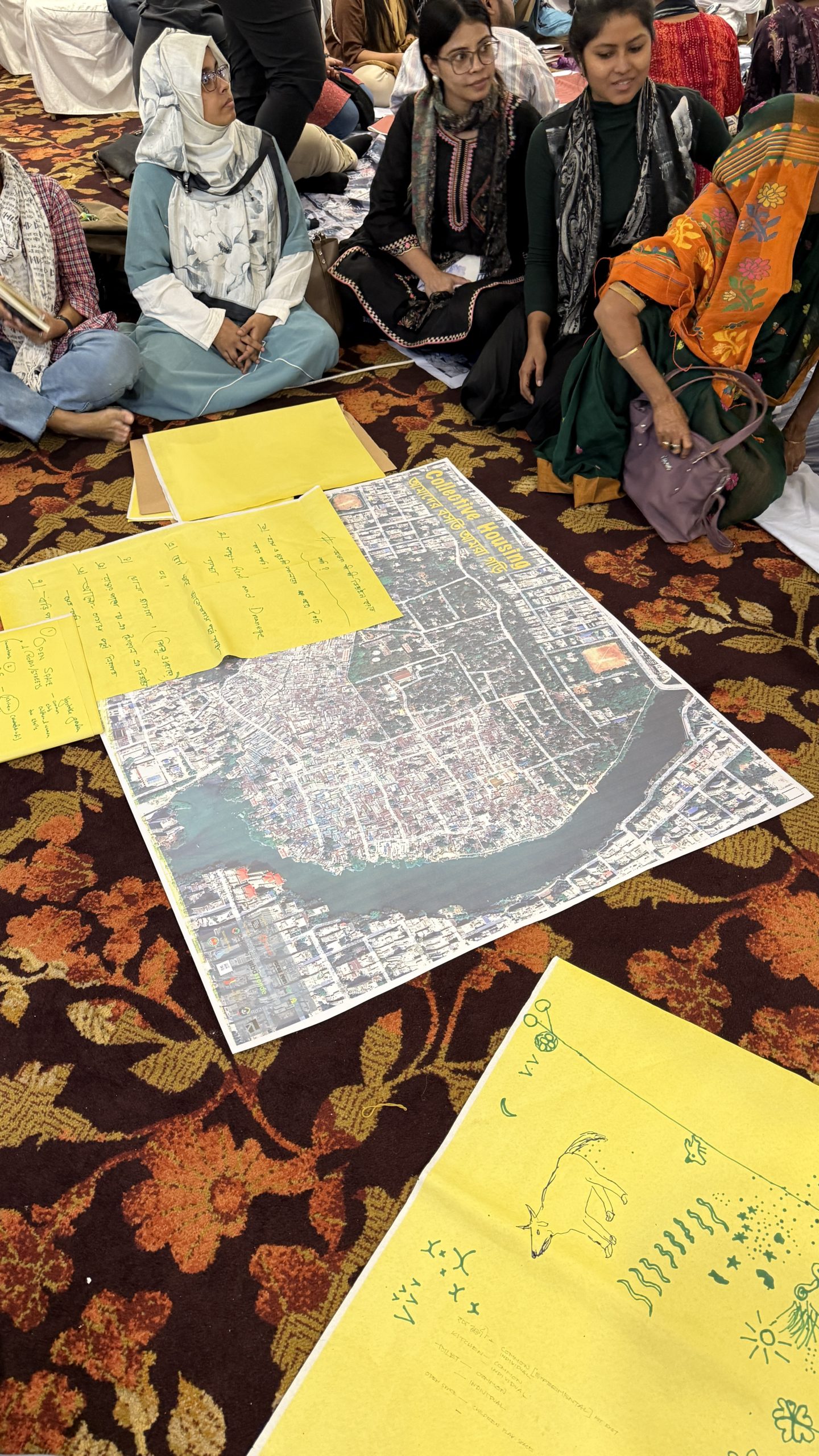
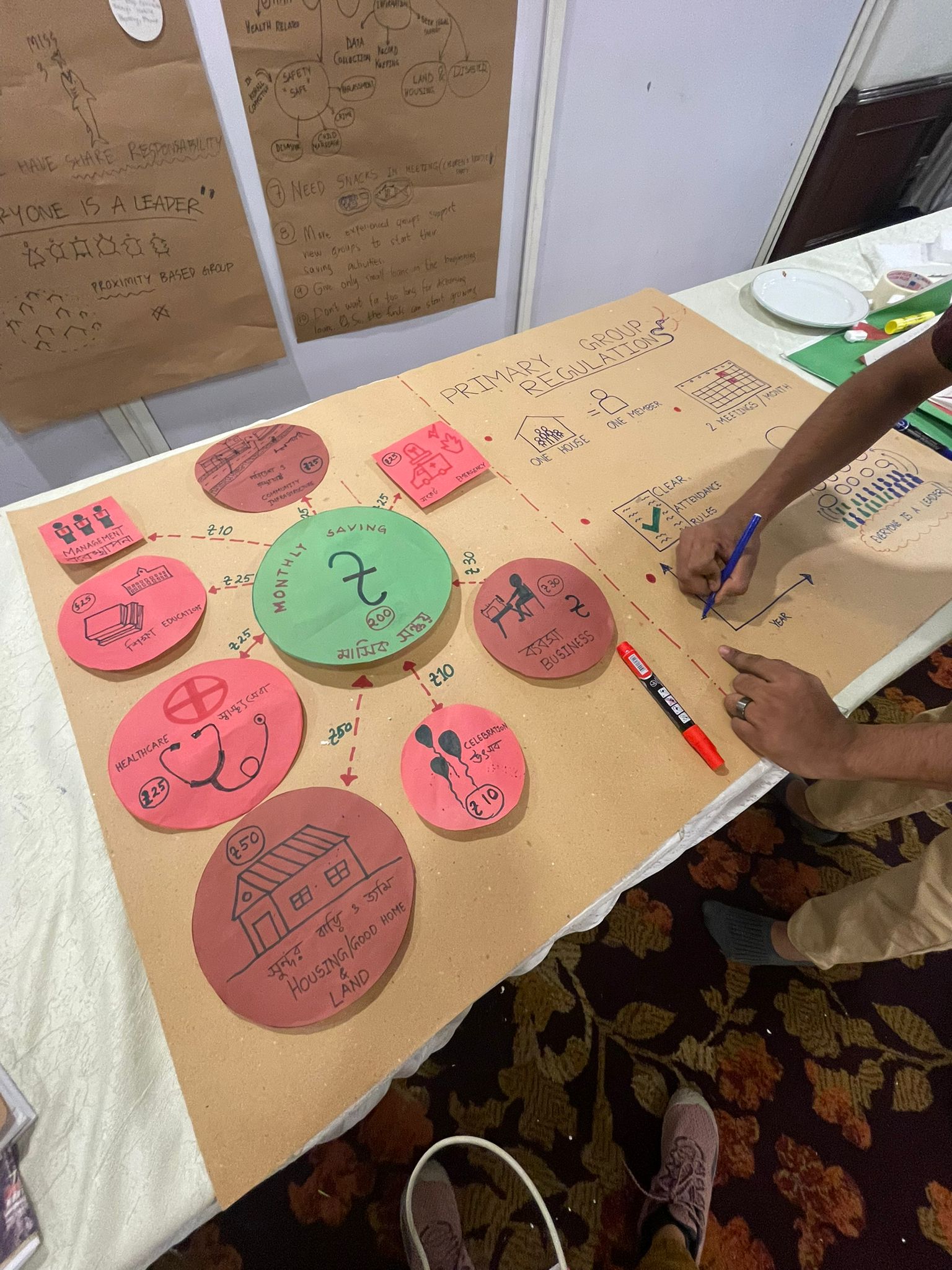
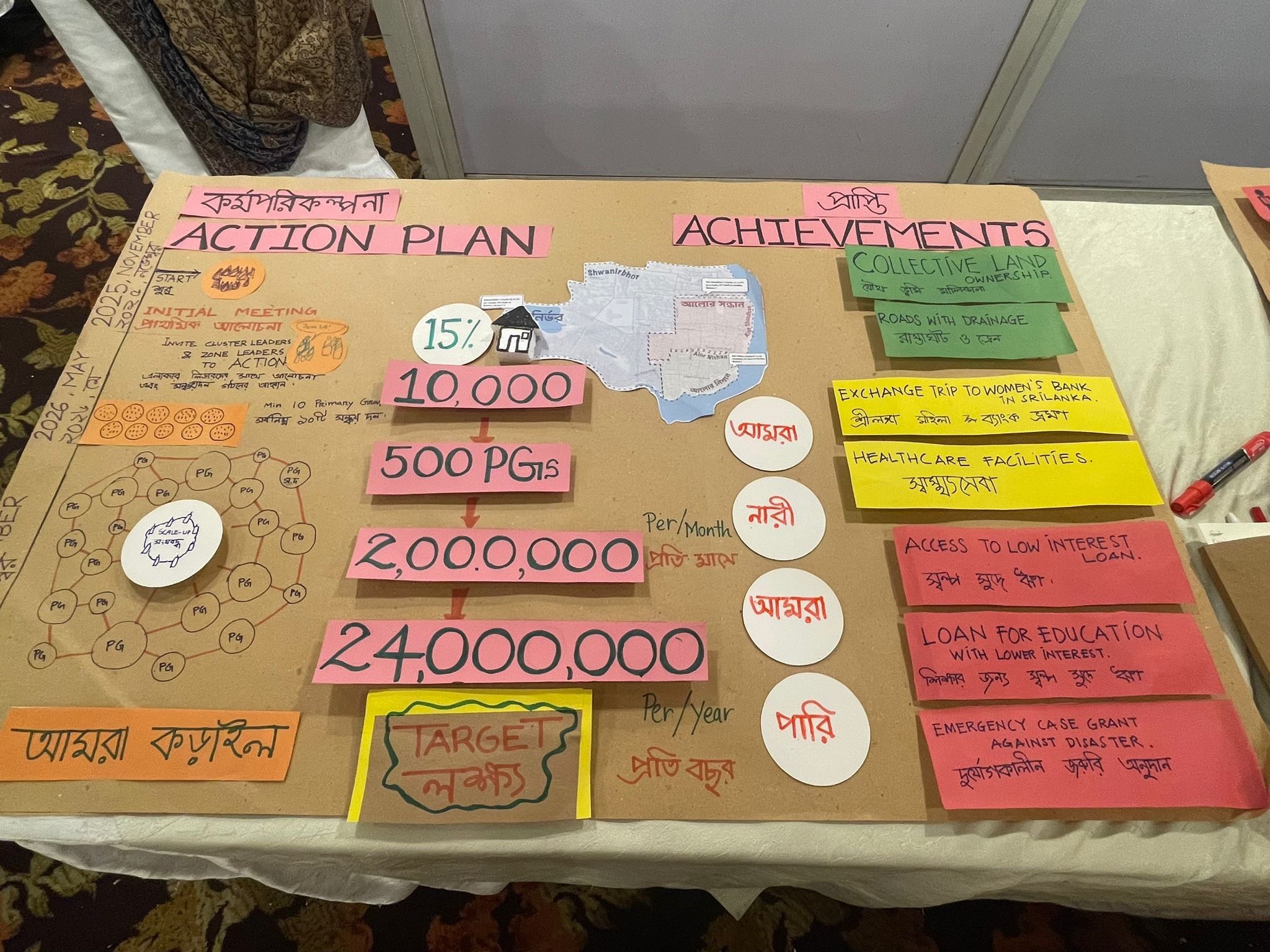
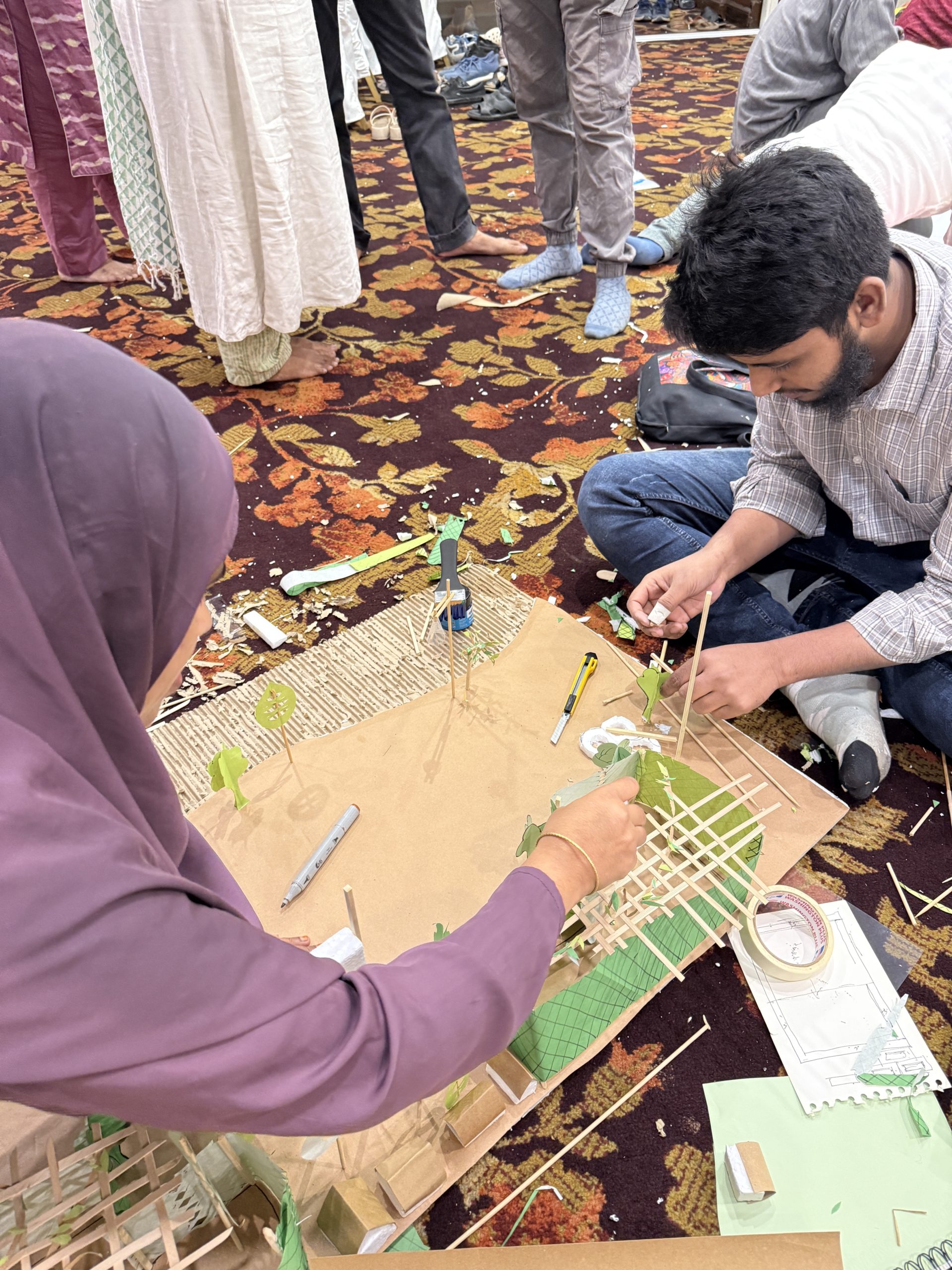
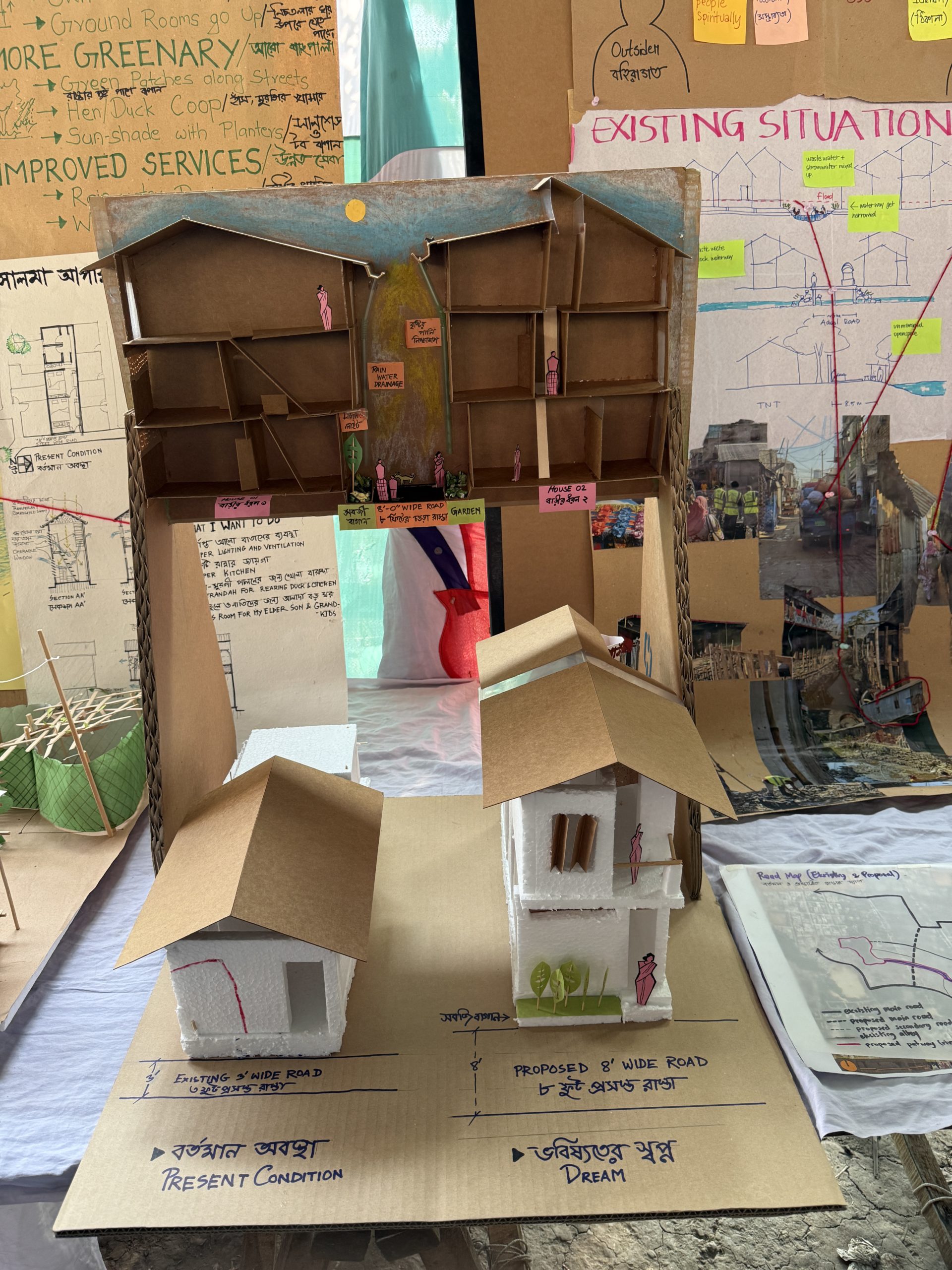
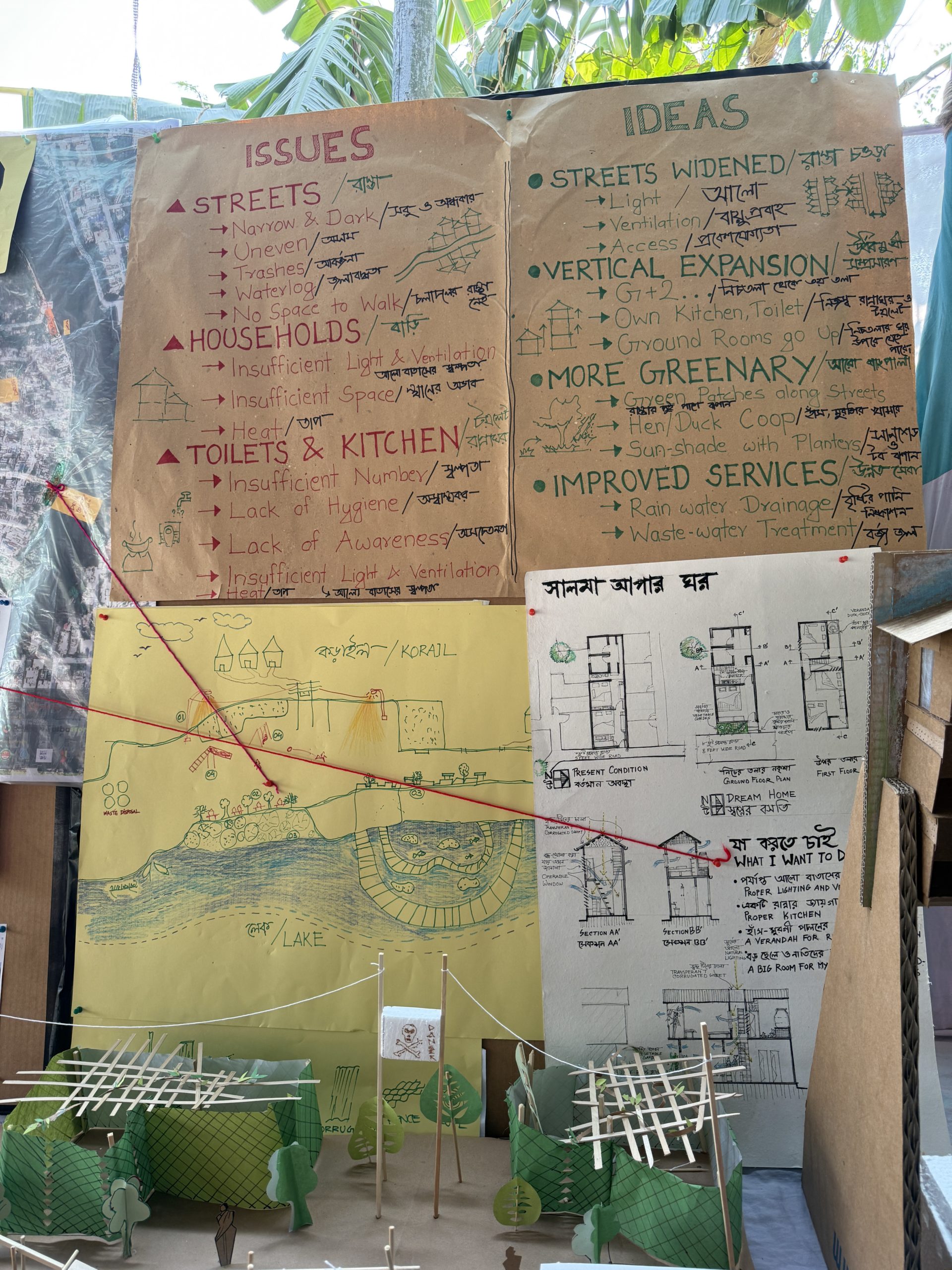
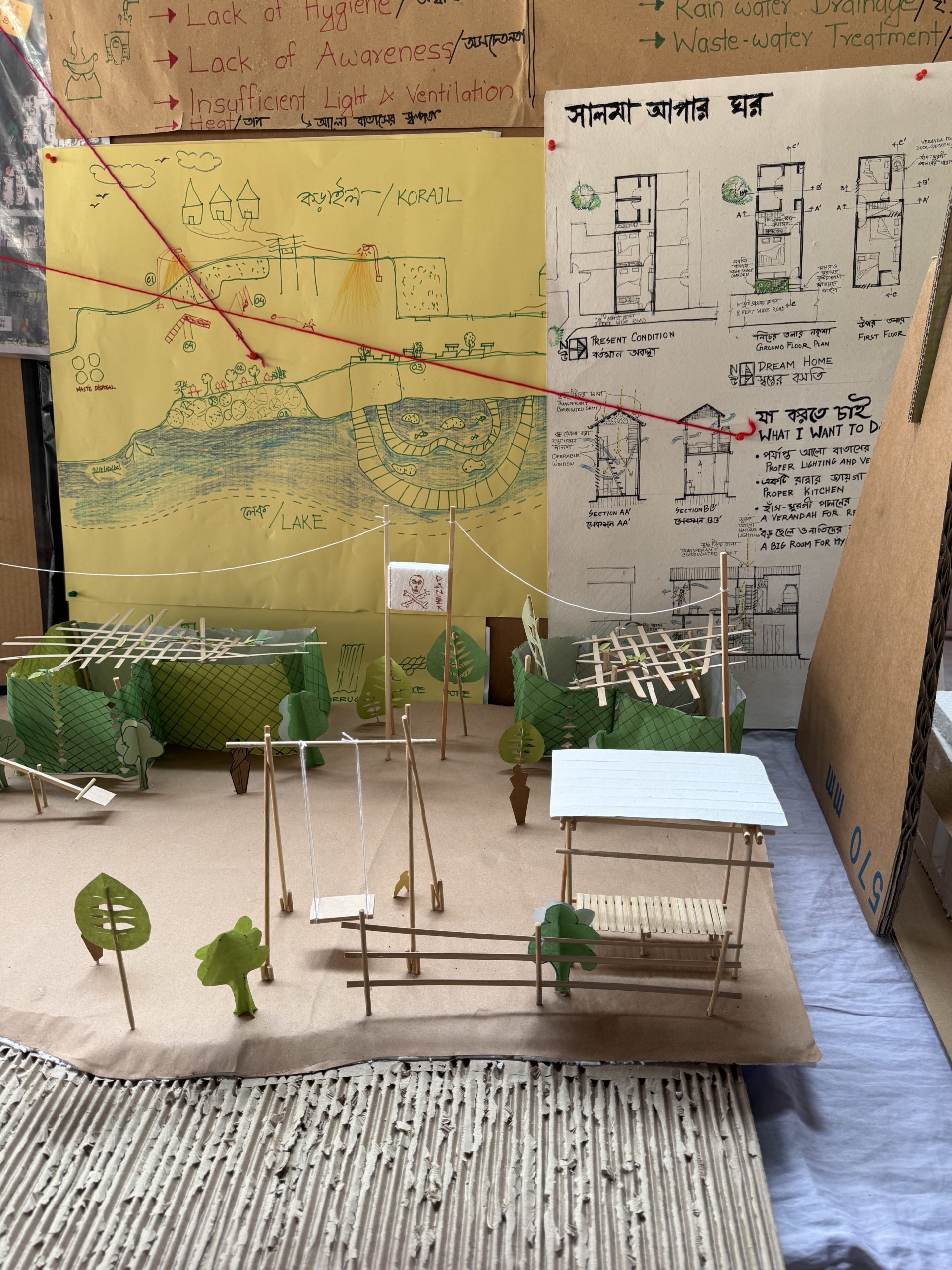
Through peer learning, hands-on activities, and cross-country exchanges, the programme fostered the co-construction of ideas, plans, and strategies to strengthen community-led processes in Korail. Building on collective housing experiences across Asia, international participants, Bangladeshi community leaders, and local urban professionals worked together in co-creation groups to collectively reflect on Korail’s most pressing challenges. These thematic groups shared tools for planning, design, upgrading, and community finance, and explored how collective housing can respond to key challenges, including Korail’s relationship with the city, financing and community organisation, infrastructure and mobility, spatial design, governance, tenure insecurity, and climate vulnerability.
All working groups developed proposals in close collaboration with Korail’s community leaders, who played a central role as participants and resource persons. Drawing on their lived experience and placing their real needs at the centre, Korail residents and Bangladeshi community leaders collectively produced strategic reflections on community and urban space.
This intensive week of work and exchange proved particularly rich and inspiring, underscoring the value of co-creation approaches in developing responses grounded in residents’ needs, empowering communities, and reinforcing their recognition as legitimate interlocutors in dialogue with authorities on housing, community organisation, and the improvement of living conditions. The presence of local and national authorities at key moments of the workshop was highly strategic, contributing to ongoing advocacy efforts in Bangladesh. Equally important was the strong participation of young architects and urban planners – students and recent graduates – who had the opportunity to learn from collective housing experiences and strengthen skills in community-based co-creation processes, an area still largely absent from formal architectural and planning education in many contexts.
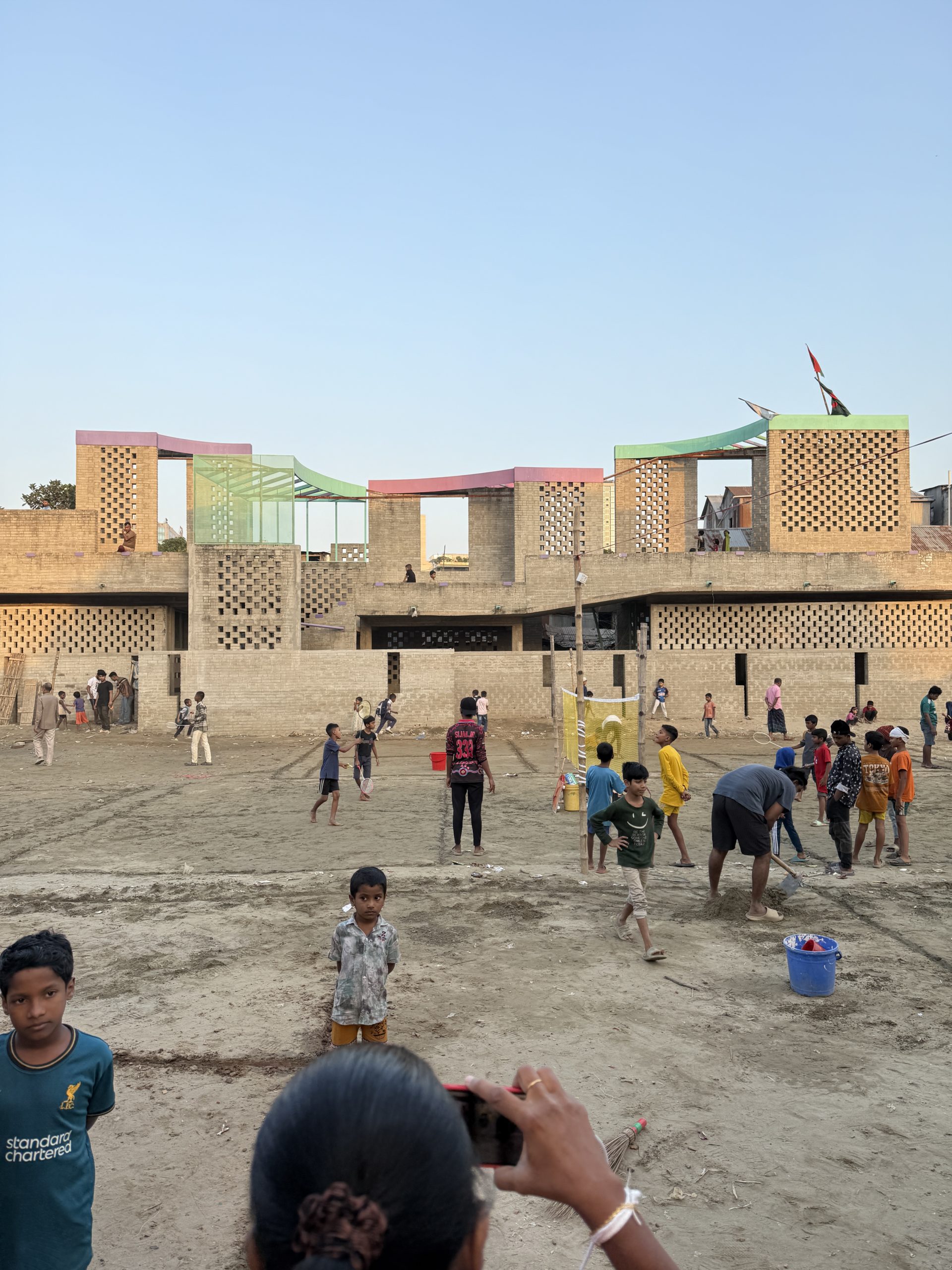
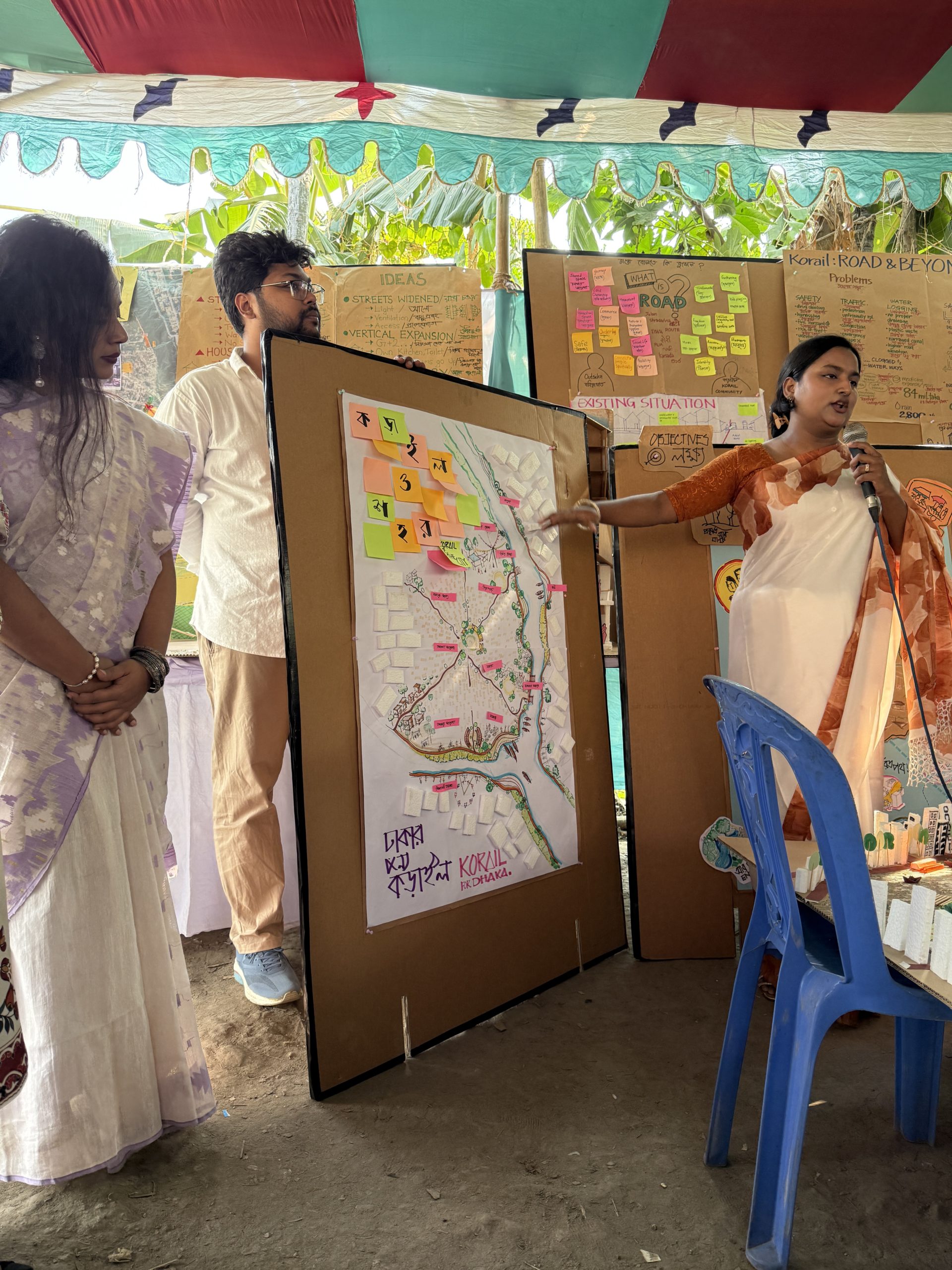
By the end of the week, each working group had developed a set of concrete proposals, which were presented to local residents and authorities in a communal space in Korail. These presentations were enriched by powerful testimonies from Korail residents and community leaders from other Asian countries, reinforcing the regional relevance and shared challenges of community-led housing.
Overall, the International Collective Housing Training offered a rare and invaluable opportunity to bridge theory and practice, connect across countries and cultures, and learn directly from communities. The combination of online sessions and immersive in-person experiences in Bangladesh allowed participants to witness firsthand the collective spirit that underpins community-led housing initiatives across Asia. This experience reaffirmed the importance of cross-regional collaboration, peer learning, and supporting communities in strengthening their capacity to organise, design, and implement housing solutions that are equitable, sustainable, and community-led.
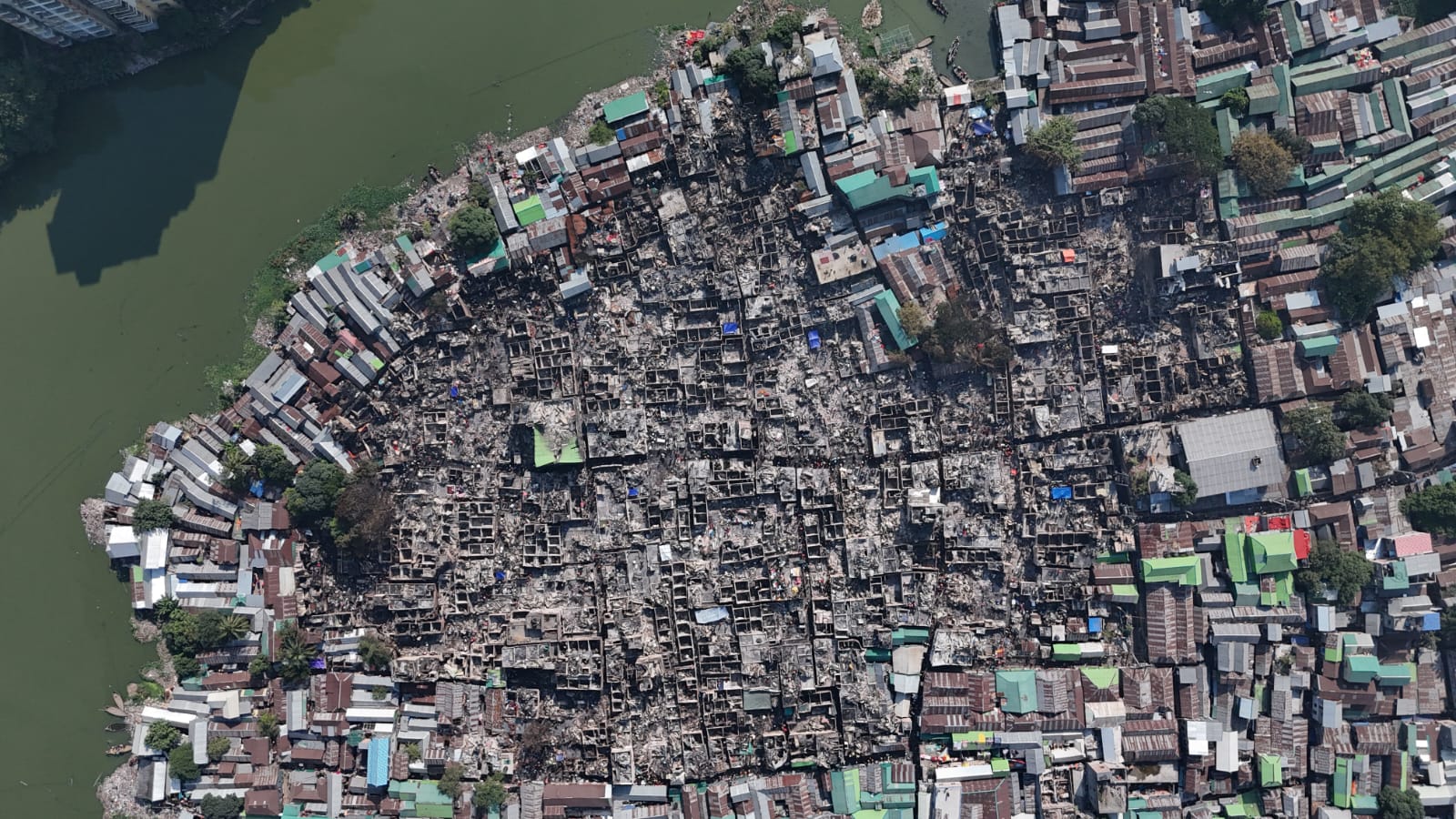
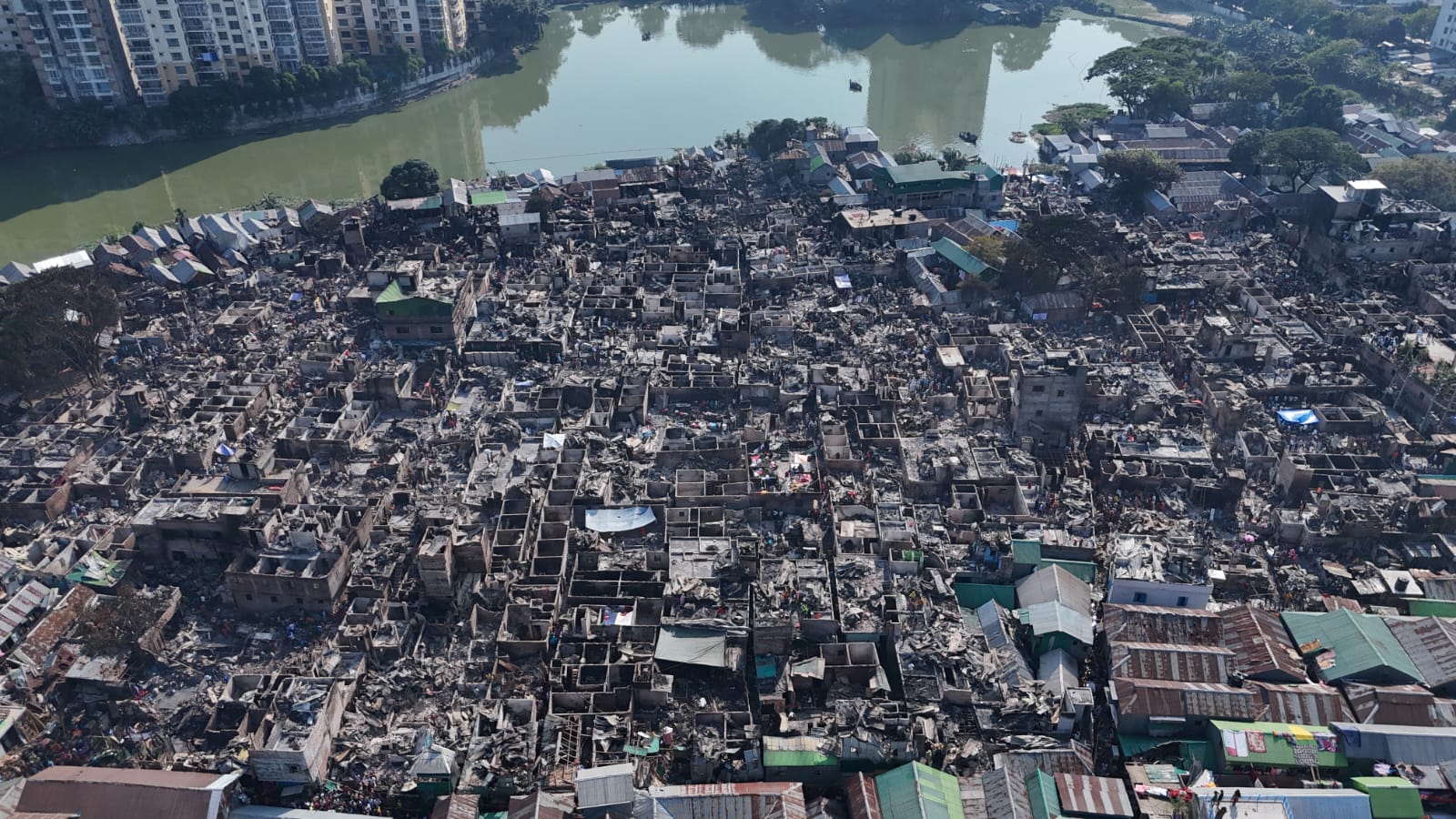
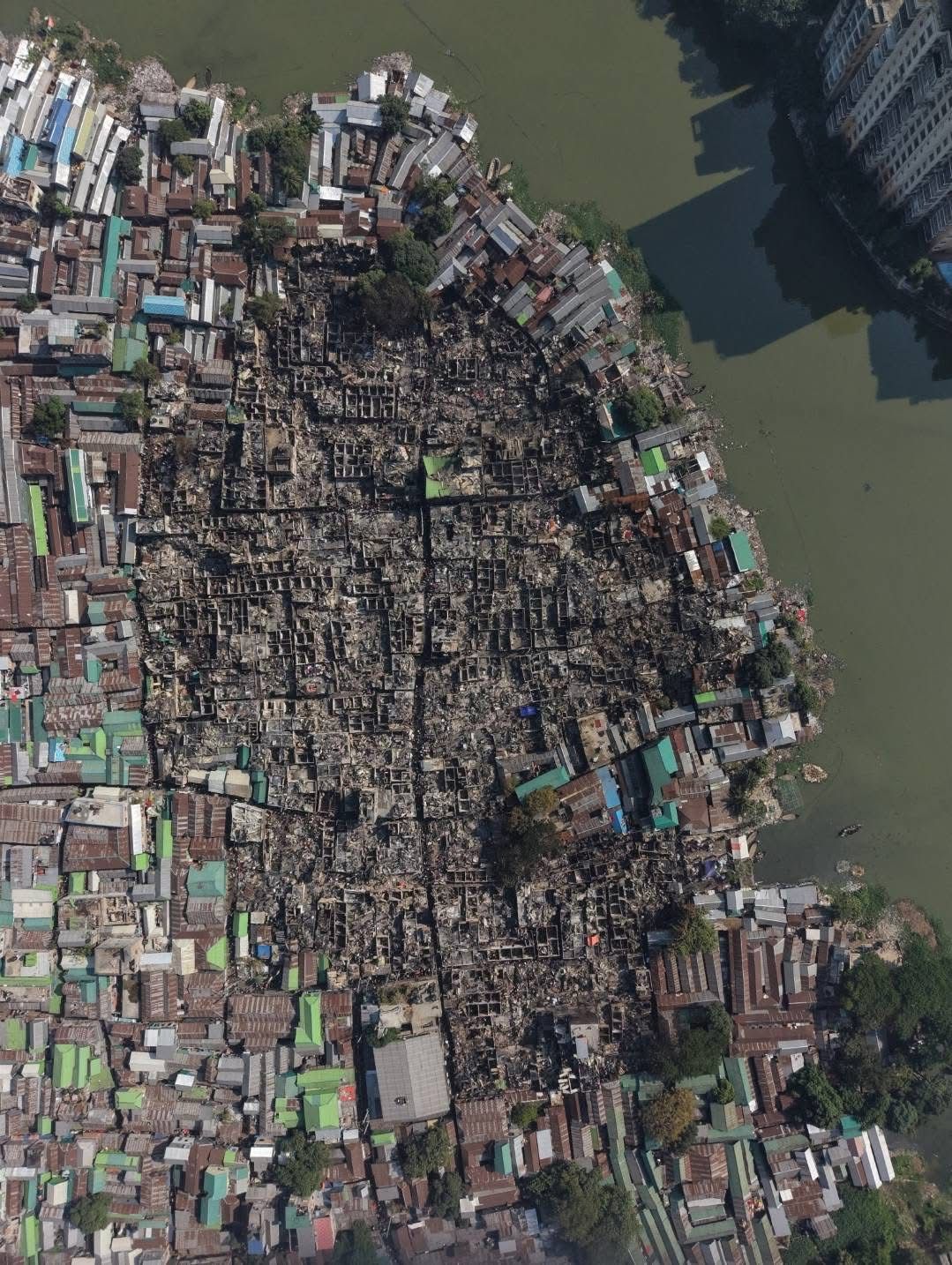
Unfortunately, just a few days after the training concluded, a massive fire struck Korail, leaving thousands of residents homeless. This tragedy starkly illustrates the extreme vulnerability of residents in informal settlements and the scale of the challenges they face daily. Our local partner in Bangladesh, POCAA, is working tirelessly alongside the community to respond to this crisis and to advance collective solutions that can contribute to more dignified housing and improved living conditions for those affected.
In response to this crisis, a fundraising campaign was launched to support affected residents in meeting their most immediate needs. You can contribute to those efforts here.