Yes, cooperatives are building a better world!
As 2025 draws to a close, so too does the International Year of Cooperatives. This United Nations initiative has highlighted throughout the year the essential role that cooperatives play in achieving the various sustainable development goals. ‘Cooperatives build a better world’ – a belief that urbaMonde and its partners uphold every day!
To mark the end of the year, urbaMonde celebrates the achievements of its partners in the field, who demonstrate the dynamism and transformative potential of housing cooperatives! We are proud to be part of this global movement committed to a more just and inclusive world, and we will continue to work fervently alongside field actors to promote this innovative housing model grounded in democratic principles, which are so essential to defend in today’s world.
Here are a few examples of the many successes our partners have achieved.
In Europe
Sostre Cívic and the cooperative housing movement in Catalonia, and more broadly in Spain, are leading the way! With the granting of an unprecedented European loan from the ECB, the housing stock developed by Sostre Cívic has jumped by 255%, from 178 to 632 homes! 2025, marked by several awards, including the European Social Economy Award, ended with the creation of the national umbrella organisation ‘Red Vivienda Cooperativa’, whose role will be to promote this model more widely.

MOBA Housing SCE, the network of housing cooperatives in Eastern and South-Eastern Europe, has seen one of its members recognised with a New European Bauhaus Award from the European Commission for the collaboration established between the City of Križevci in Croatia, the Open Architecture cooperative, and the ethical finance cooperative ZEF. This marks the first city in the region to allocate a budget for developing a housing cooperative.
In the Canton of Geneva, Switzerland, the Geneva Housing Cooperatives Association saw its cantonal initiative “for more cooperative housing” approved by over 60% of voters. This strong endorsement highlights the public’s support for the cooperative housing model and for housing policies focused on affordability, quality, and sustainability. In the context of an ongoing housing crisis, the initiative enshrines a clear objective in law: that cooperatives own 10% of the canton’s housing stock.
In Latin America
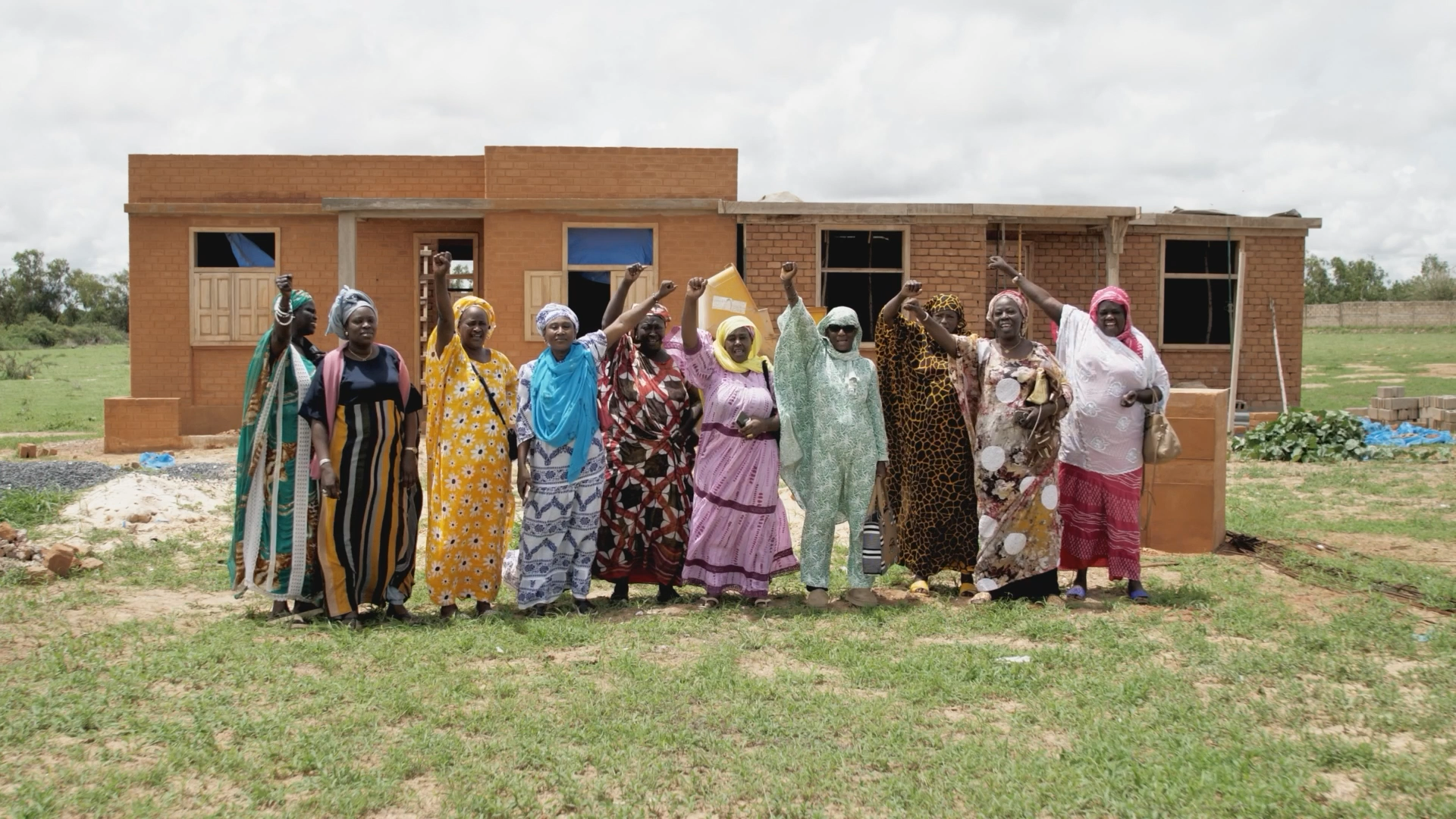
In Nicaragua, Multipro and the national federation of housing cooperatives CECOVI have launched two new construction projects with the cooperatives Nuestro Barrio and Voces Guerreras. By 2027, 17 homes will be built for low-income families, made possible through their savings and the support of local and international partners. Discover this project by watching the short documentary produced this year.
In Uruguay, the social and urban impact of mutual-aid housing cooperatives, brought together under the federation FUCVAM, has been highlighted in a guide documenting the experience of more than 300 housing cooperatives since the 1970s. This guide is an important policy tool, demonstrating not only the potential of cooperative housing but also the essential role of public authorities.
In Asia
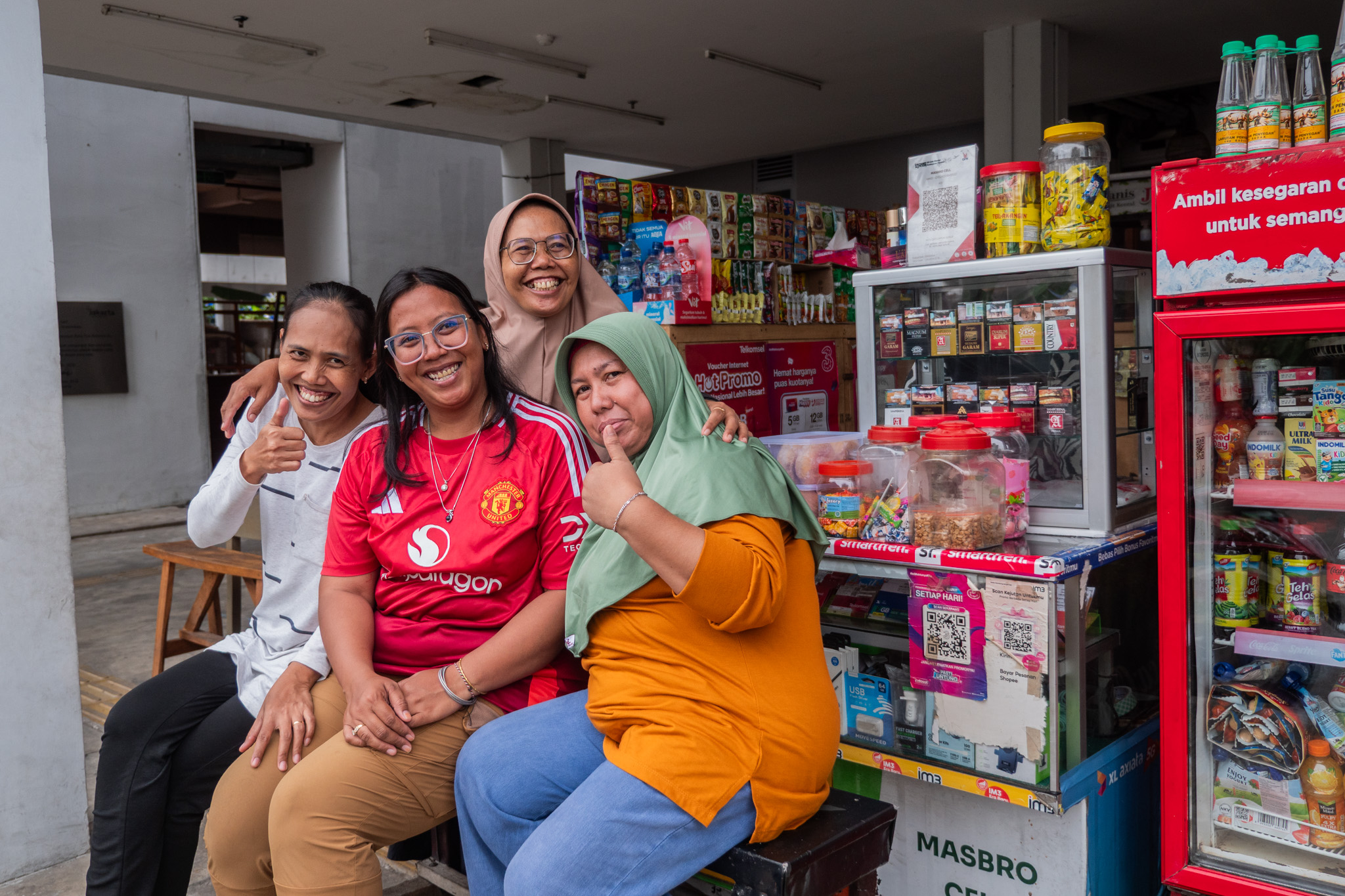
In Indonesia, the Urban Poor Consortium organised its first housing cooperatives festival this year, marking a new milestone in the growth of a movement that is gaining momentum across the country. Current advocacy efforts focus on strengthening legal and regulatory frameworks, particularly by applying agrarian reform in urban areas to secure land tenure for local communities. Discover this initiative by watching the short documentary produced this year.

In Africa
In Senegal, the revolving fund set up by urbaSEN and the Senegalese Federation of Inhabitants—which enables households to carry out home renovation works, finance income-generating activities, and support neighbourhood-level improvements—surpassed the milestone of one billion CFA francs in loans in October. This achievement marks a significant success for the scheme, demonstrating its effective functioning and ability to sustainably meet the financing needs of low-income households, in support of access to dignified, resilient housing.