NETCO meeting
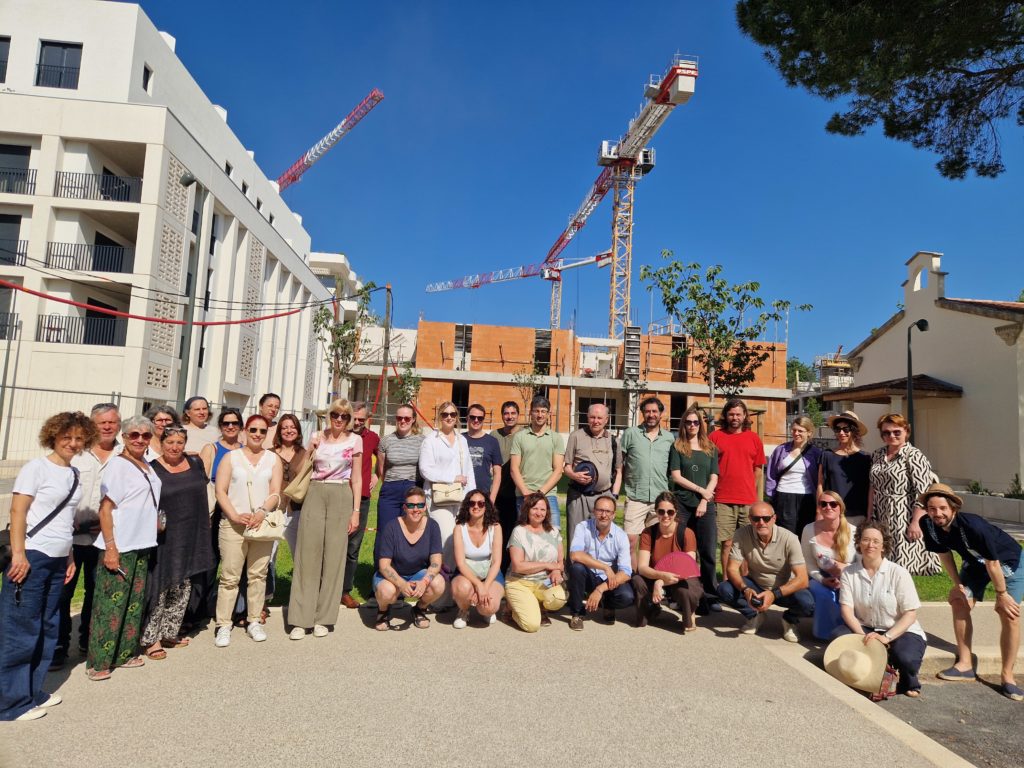
From 26 to 28 May 2026, Montpellier hosted a meeting of the European project NETCO (Network of Cities for Collaborative Housing), bringing together officials from cities, metropolitan areas and regions, as well as representatives of civil society organisations from across Europe, to exchange views on policies and practices relating to collaborative housing.
Organised by urbaMonde-France, Habitat Participatif France and éCOhabitons34, the meeting brought together participants from around a dozen European countries. Over three days, discussions enabled the sharing of experiences, tools and strategies to develop affordable and inclusive forms of participatory housing, in a context in which the housing crisis is affecting many European cities. The NETCO network specifically fosters this dialogue between local authorities, civic organisations and housing stakeholders, with the aim of strengthening residents’ participation in public housing policies and in the development of innovative housing projects.
Discovering inspiring projects
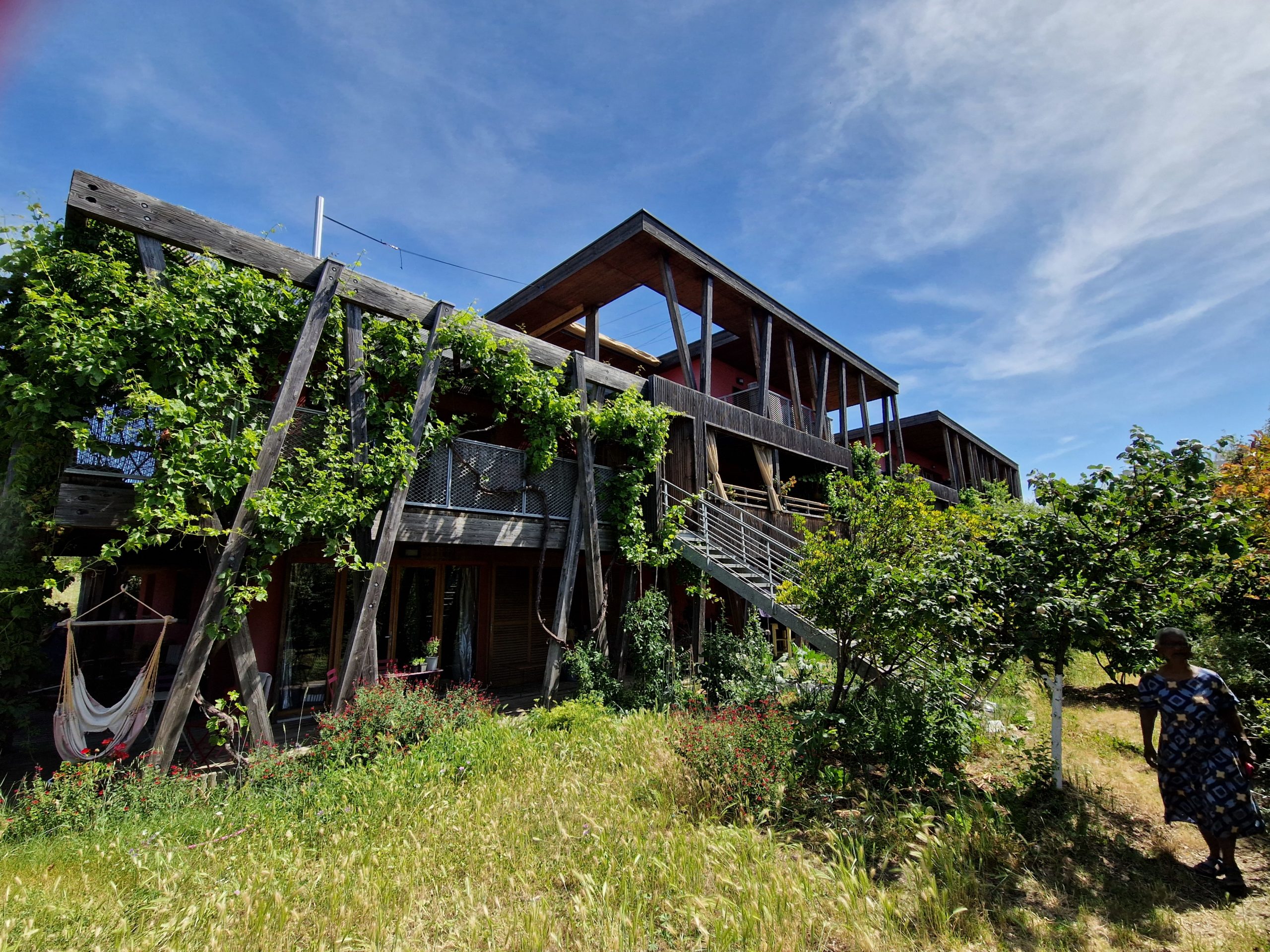
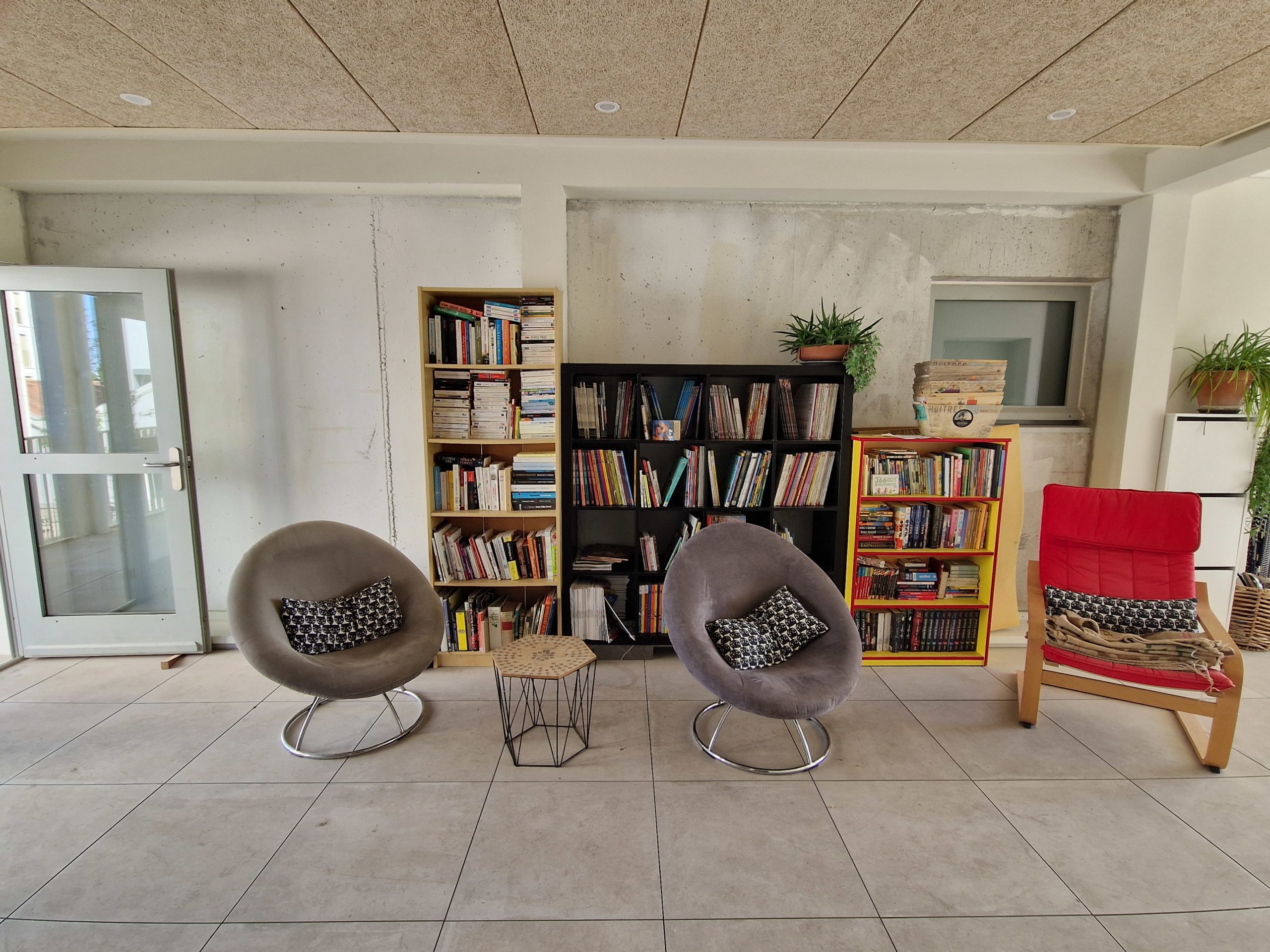
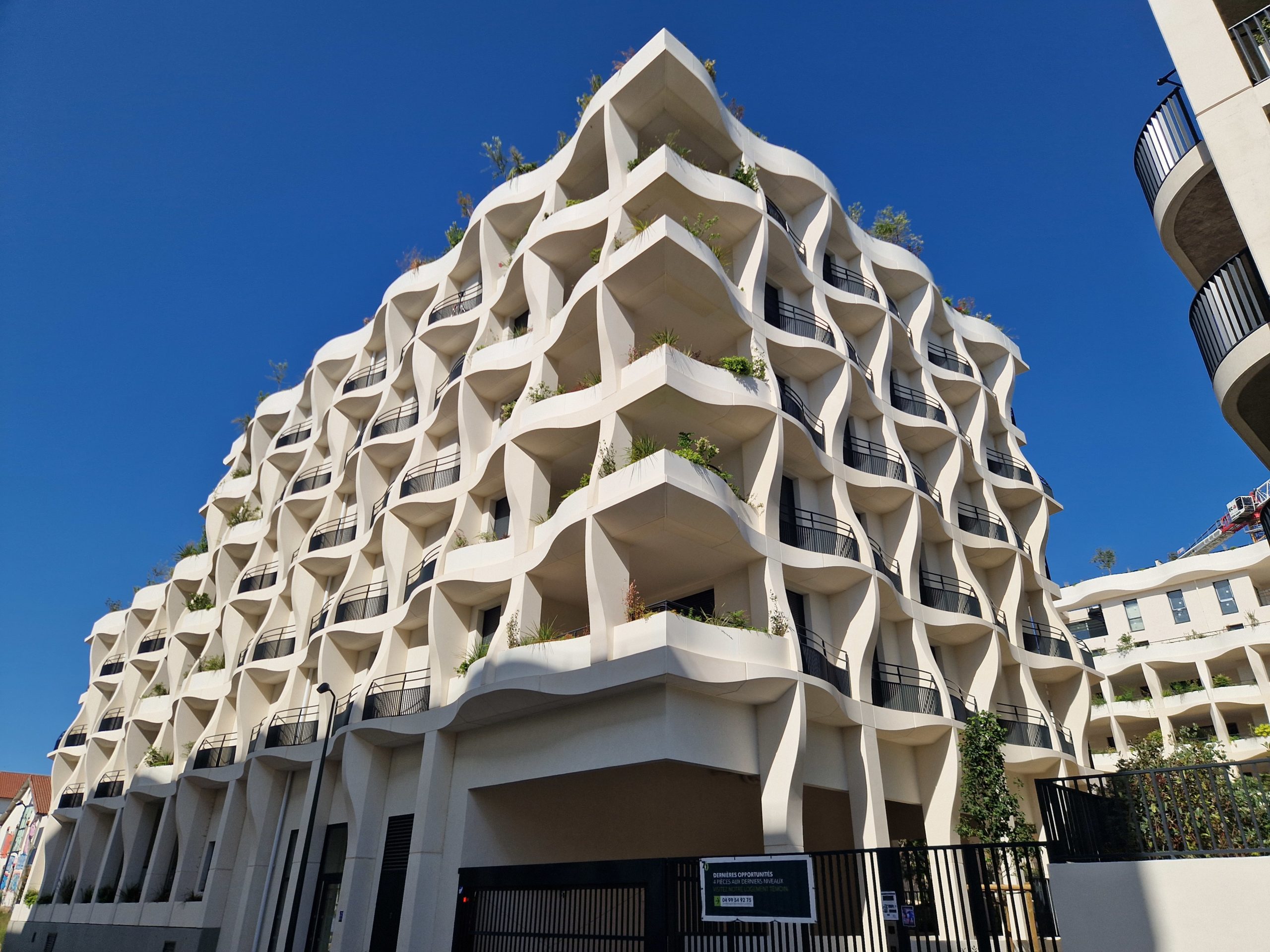
The programme began with visits to collaborative housing projects across the Montpellier metropolitan area: MasCobado, Terra Dora and the Mellifera development site. Residents welcomed the European delegations and shared their experience of the design process, the choice of legal structures, governance arrangements and the collective management of their living environments.
These visits provided a tangible illustration of the benefits of participatory housing: adapting forms of tenure (home ownership, assisted home ownership and social rented housing) to a collective that had previously worked together around shared values, the pooling of spaces and resources, and the consideration of everyone’s expectations. The completed and inhabited projects, Mascobado and Terra Dora, received the highest environmental quality distinction at the time of their construction (Bâtiment Durable Occitanie – Gold), thanks to residents’ ideas made possible through collaboration with the architects and the social housing organisations involved.
Local authorities at the heart of change
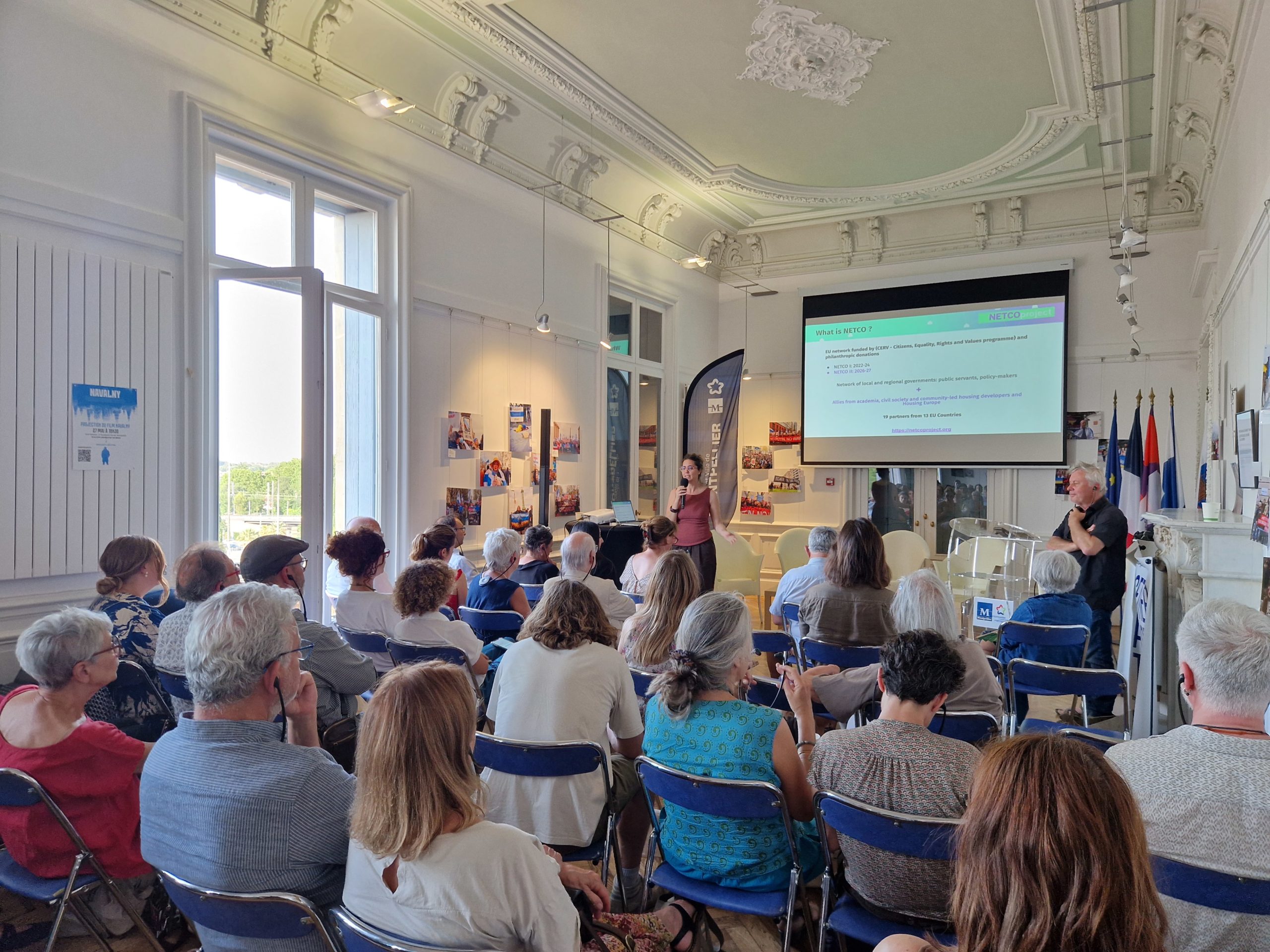
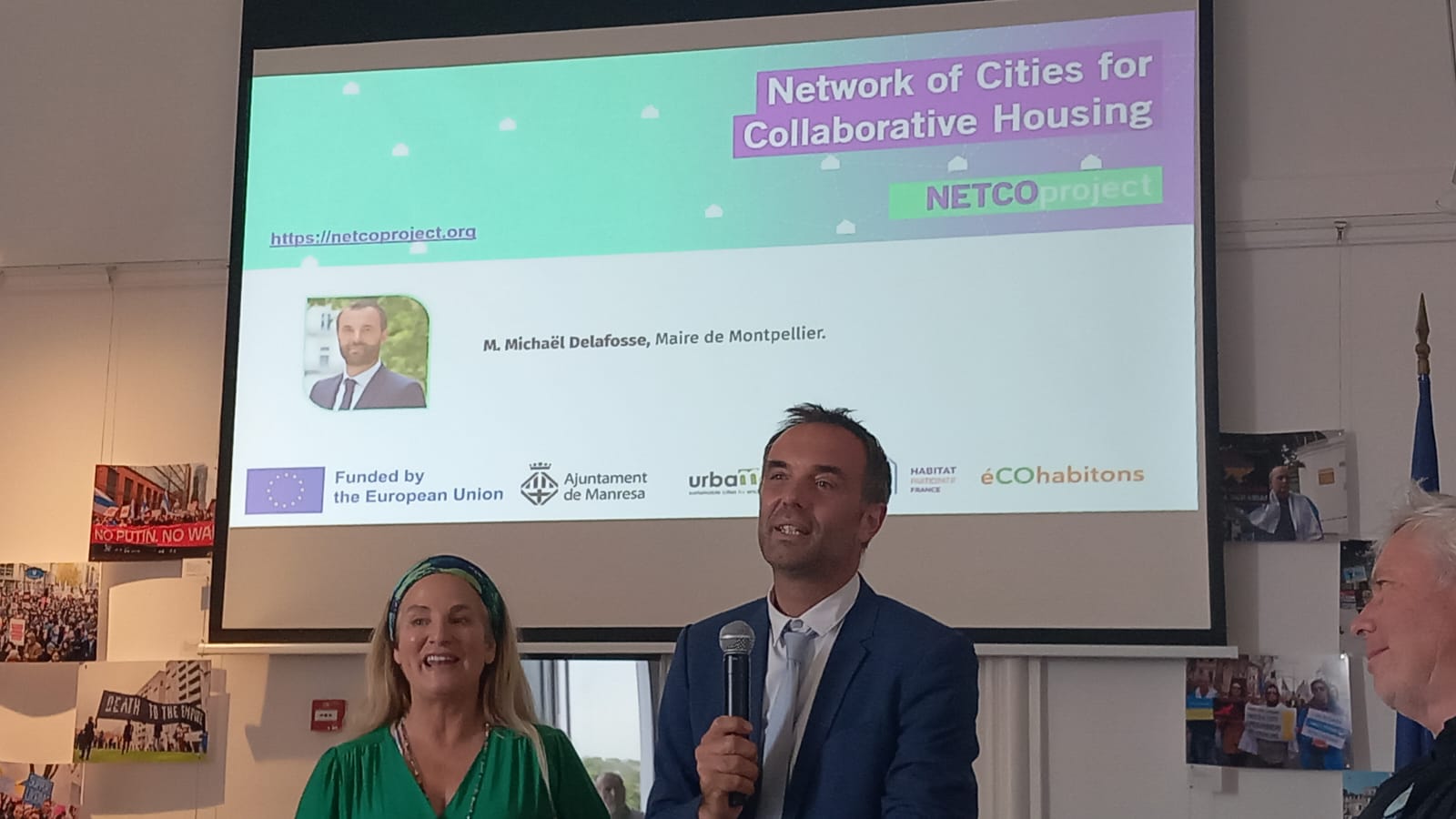
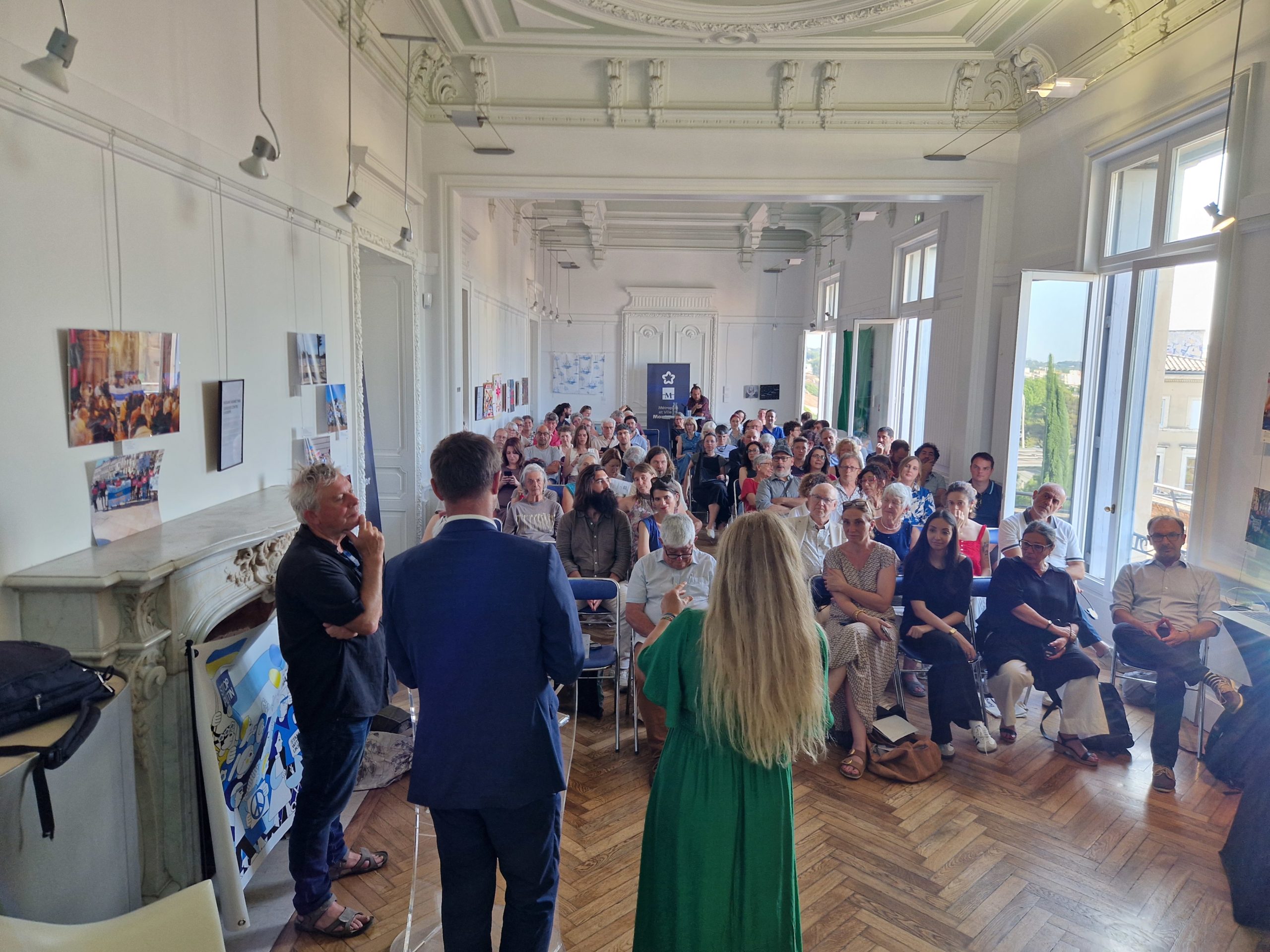
One of the highlights of the meeting was the public conference dedicated to the role of local authorities in supporting participatory, affordable and inclusive housing. On this occasion, the Mayor of Montpellier, Michaël Delafosse, emphasised the importance of promoting these housing models in response to the growing challenges of housing affordability and access across Europe.
In his speech, he stressed that municipalities have an essential role to play in encouraging the emergence of collective projects capable of addressing, at the same time, the challenges of affordable housing, social cohesion and the ecological transition. According to him, these initiatives also offer an opportunity to rethink the way cities are designed and experienced, by fostering citizen involvement and strengthening neighbourhood ties. This vision forms part of a broader approach promoted by the City of Montpellier around affordable housing and the development of a sustainable city.
A European laboratory for exchange and mutual learning
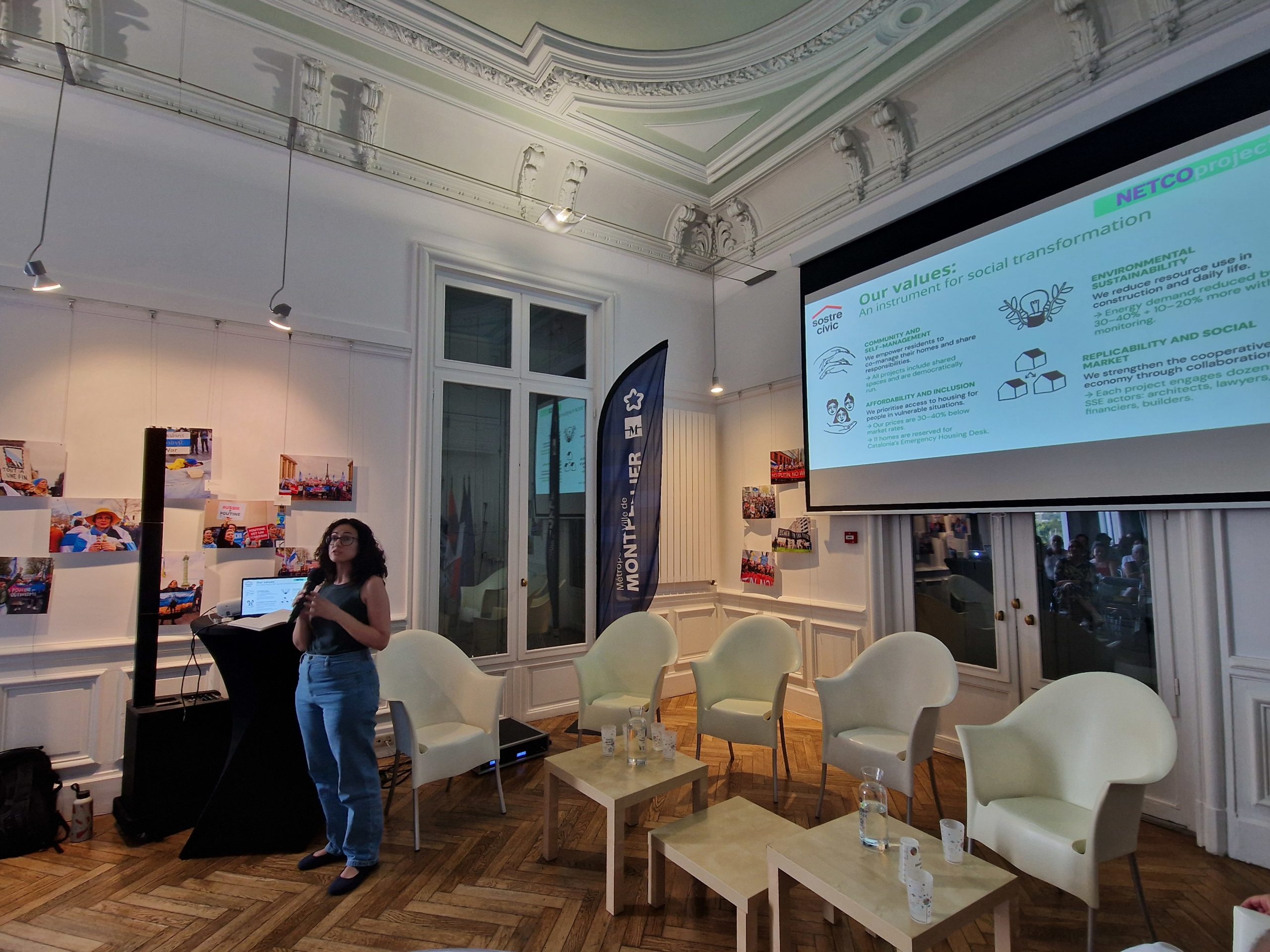
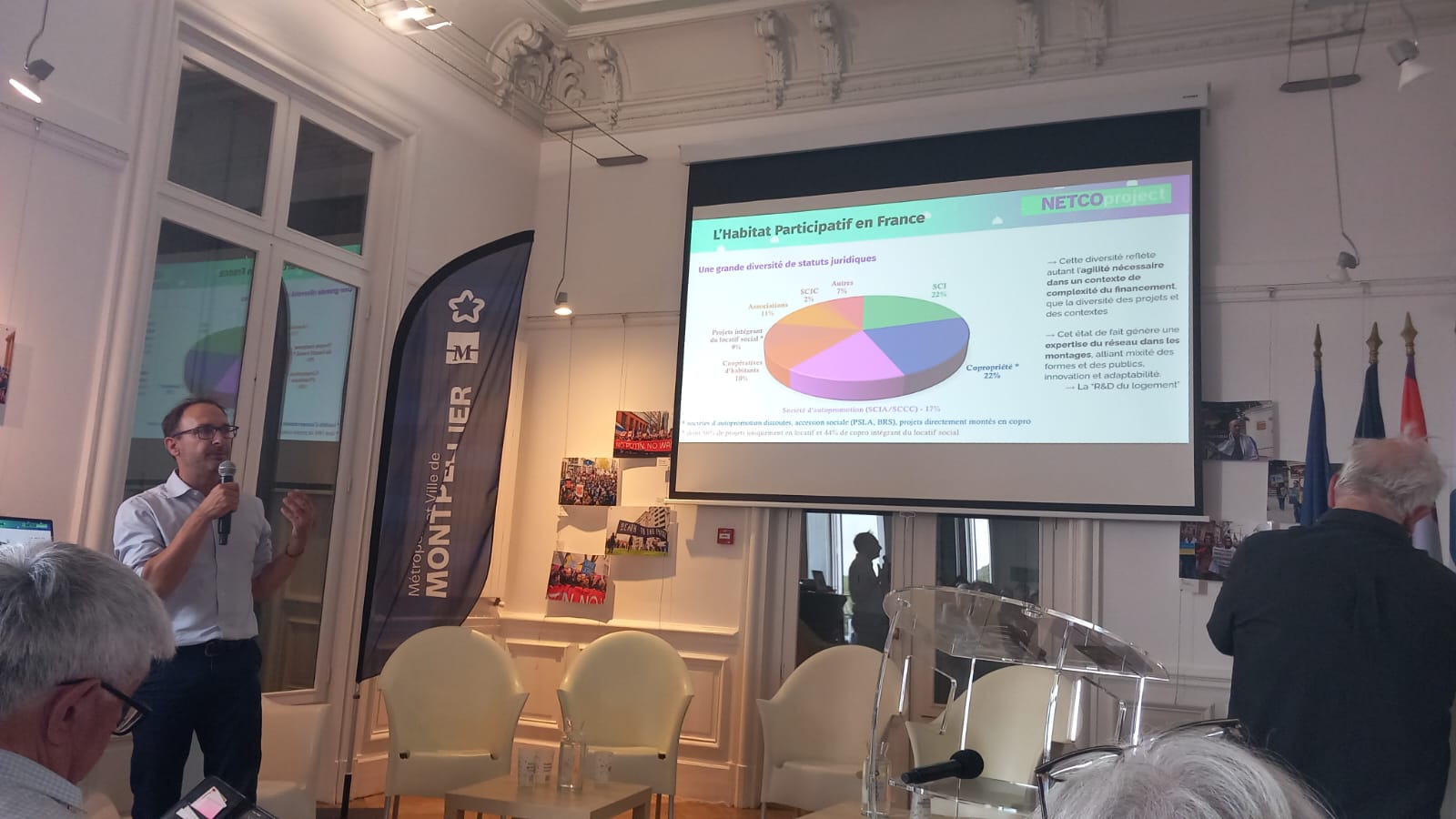
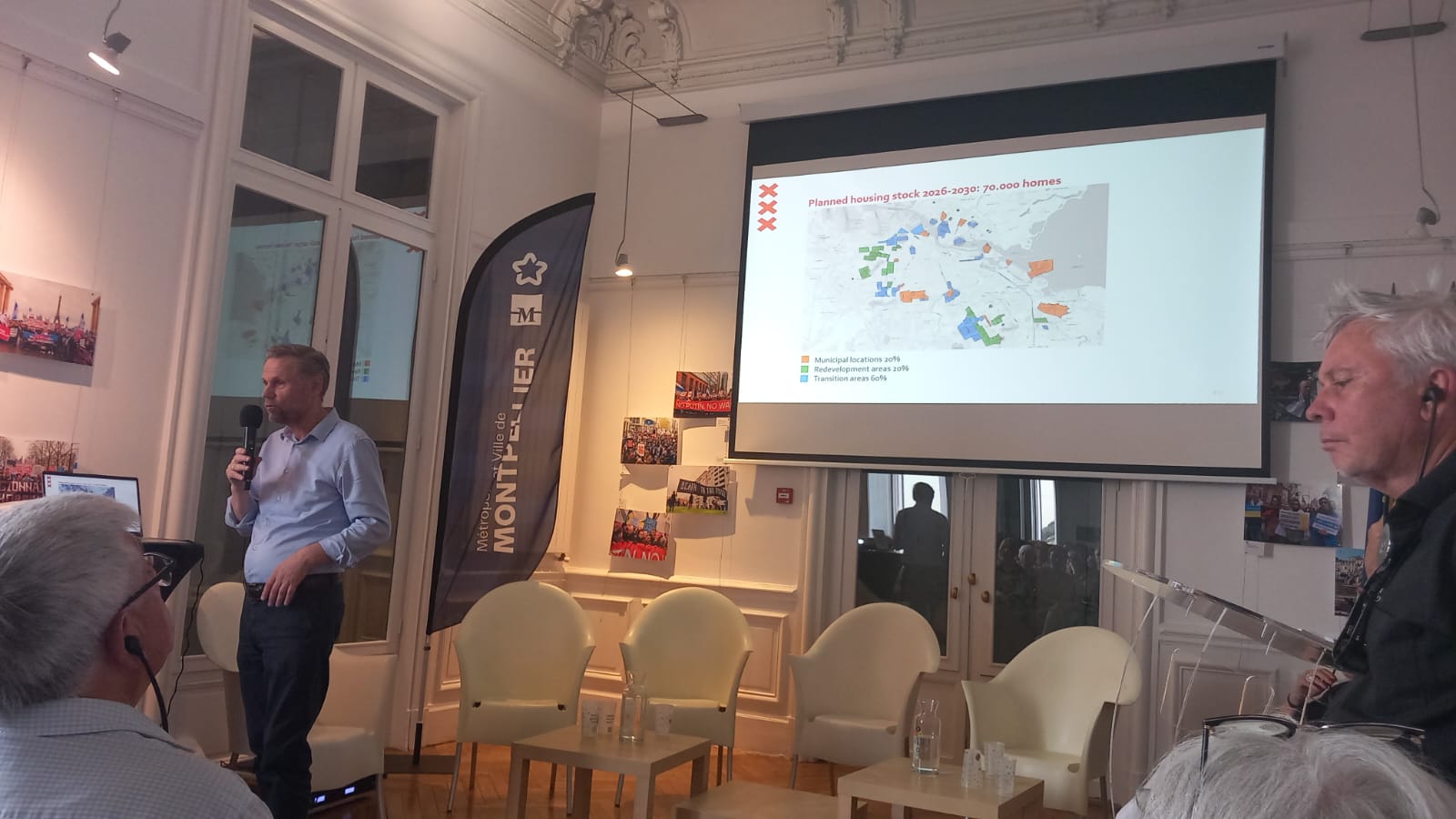
Among the members of NETCO, some cities such as Amsterdam, Barcelona, Bologna and Manresa already have substantial experience, or are in the process of turning pilot initiatives into municipal public policy — or regional policy in the case of Brussels. Other local authorities, including Chalandri, Cluj-Napoca, Eindhoven, Florence, Košice, Onda, Söderhamn, Thessaloniki and Zagreb, are still at an earlier stage of learning and experimentation in collaborative housing. In some cases, this takes place within the framework of social housing; in others, it targets middle-income groups who are unable to secure housing on the private market.
Many local authorities are being approached by older people who are struggling within conventional housing systems and are seeking to age well in a supportive environment, where care emerges naturally between neighbours and across generations. Some cities also see participatory housing as a way to include vulnerable groups within these forms of collective living and empowerment. Depending on the context, these groups may include students, survivors of domestic abuse, single parents, migrants, and people living with physical or mental disabilities, among others. Participants shared both successes and challenges encountered in their respective territories, further strengthening a dynamic of mutual learning across Europe.
At a time when many cities are facing a continued rise in housing costs, discussions confirmed the growing interest among local authorities in non-speculative, cooperative models led by residents themselves. Collaborative housing is increasingly emerging as a practical lever for delivering affordable homes, strengthening social ties and building more resilient cities.
See you in Cluj-Napoca
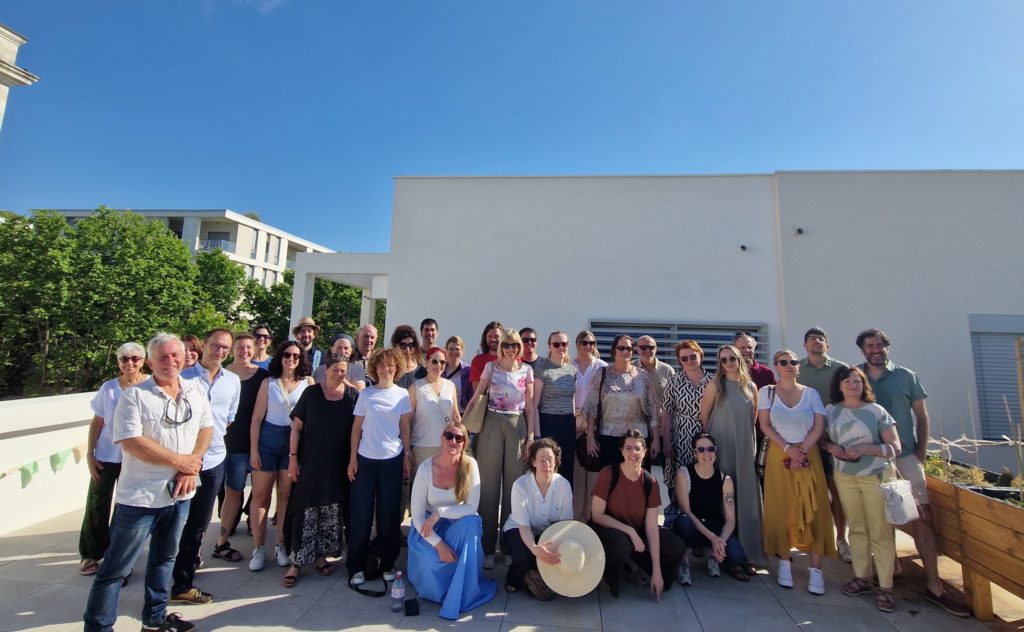
This meeting in Montpellier helped strengthen ties between network members and continue the collective work undertaken within the framework of the NETCO project. Participants will meet again next October in Cluj-Napoca, Romania, for a new stage of cooperation and exchange of experiences around participatory housing in Europe.
For urbaMonde, which has developed recognised expertise in bringing together different stakeholders and navigating diverse national contexts on issues of resident participation, these international exchanges are essential for strengthening alliances between local authorities, civic organisations and European networks. The strengthened collaboration with Habitat Participatif France and éCOhabitons34 also points towards future cooperation with French stakeholders in the sector.