A field mission at the heart of a network supporting informal urban communities
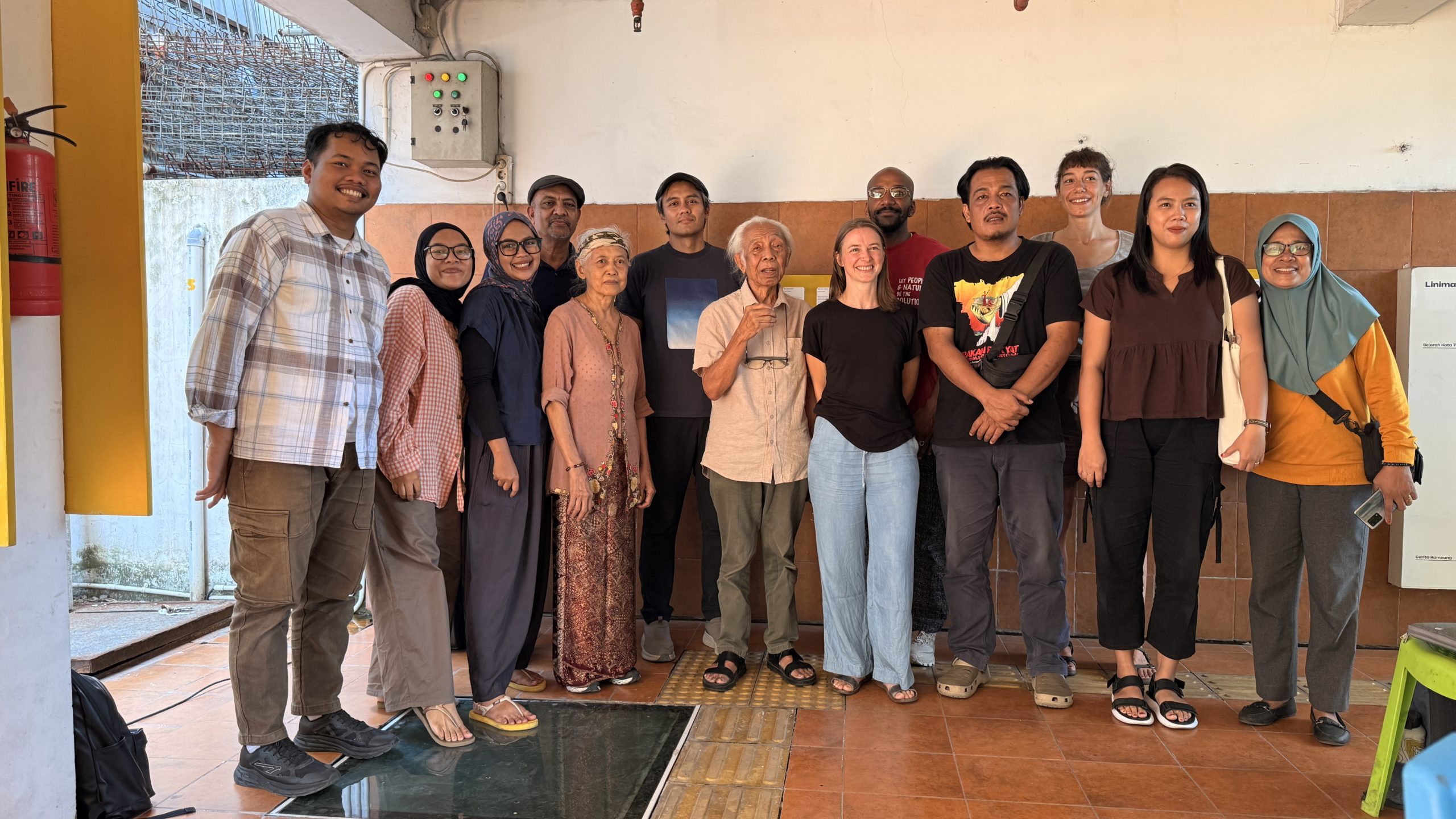
This summer, in July 2026, urbaMonde was welcomed to Indonesia by its local partner, Urban Poor Consortium. The field visit brought together partners and communities for a series of exchanges and meetings, at a key moment in the new phase of the project (2026–2029): “Strengthening housing cooperatives for land tenure security and the right to housing in Indonesia.”
Jakarta and Surabaya: meeting and visiting local communities
When we talk about “a sustainable city by and for its residents,” it is more than just a slogan — it is a reality. Our project managers, Léa Oswald, Régis Kacou and Alessia Marcon, travelled to meet the people making this vision a reality, exchanging with community leaders and cooperative members.
These exchanges provided an opportunity to:
- reflect with local communities on the challenges and issues surrounding access to land and housing in Indonesia, with a particular focus on the role of women;
- gain a better understanding of the institutional support mechanisms available to informal urban communities;
- draw lessons that could be useful for other projects, such as the Cité FSH initiative led by the Senegalese Federation of Inhabitants and urbaSEN in Senegal.
Jakarta: communities mobilising for the right to housing
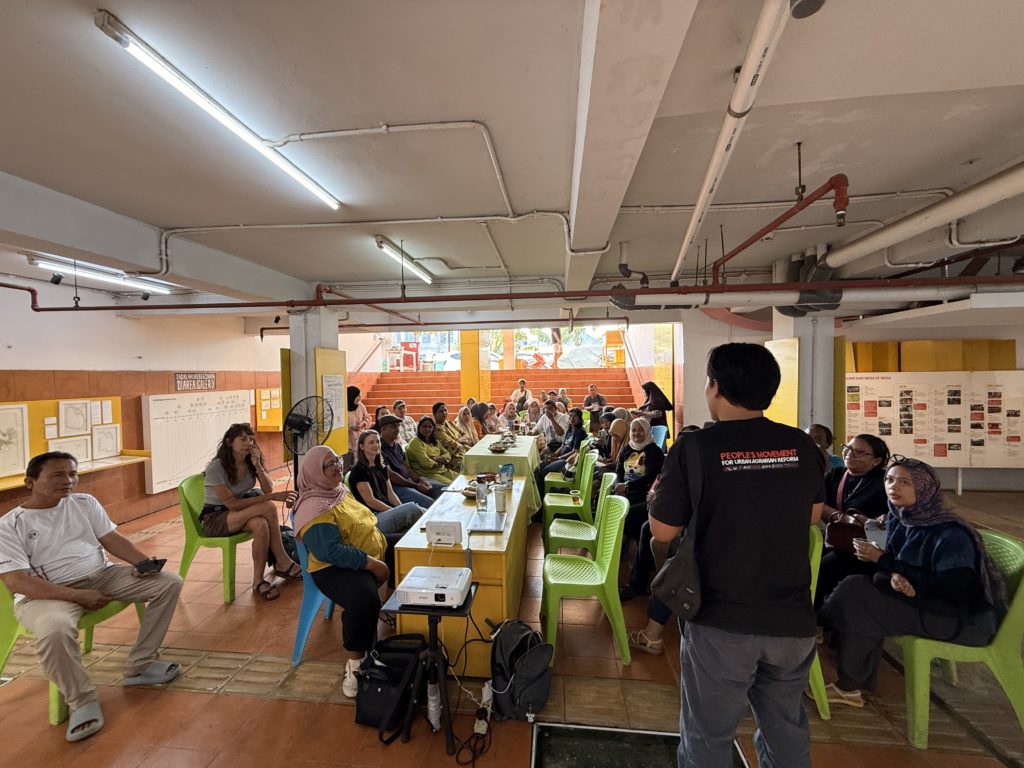
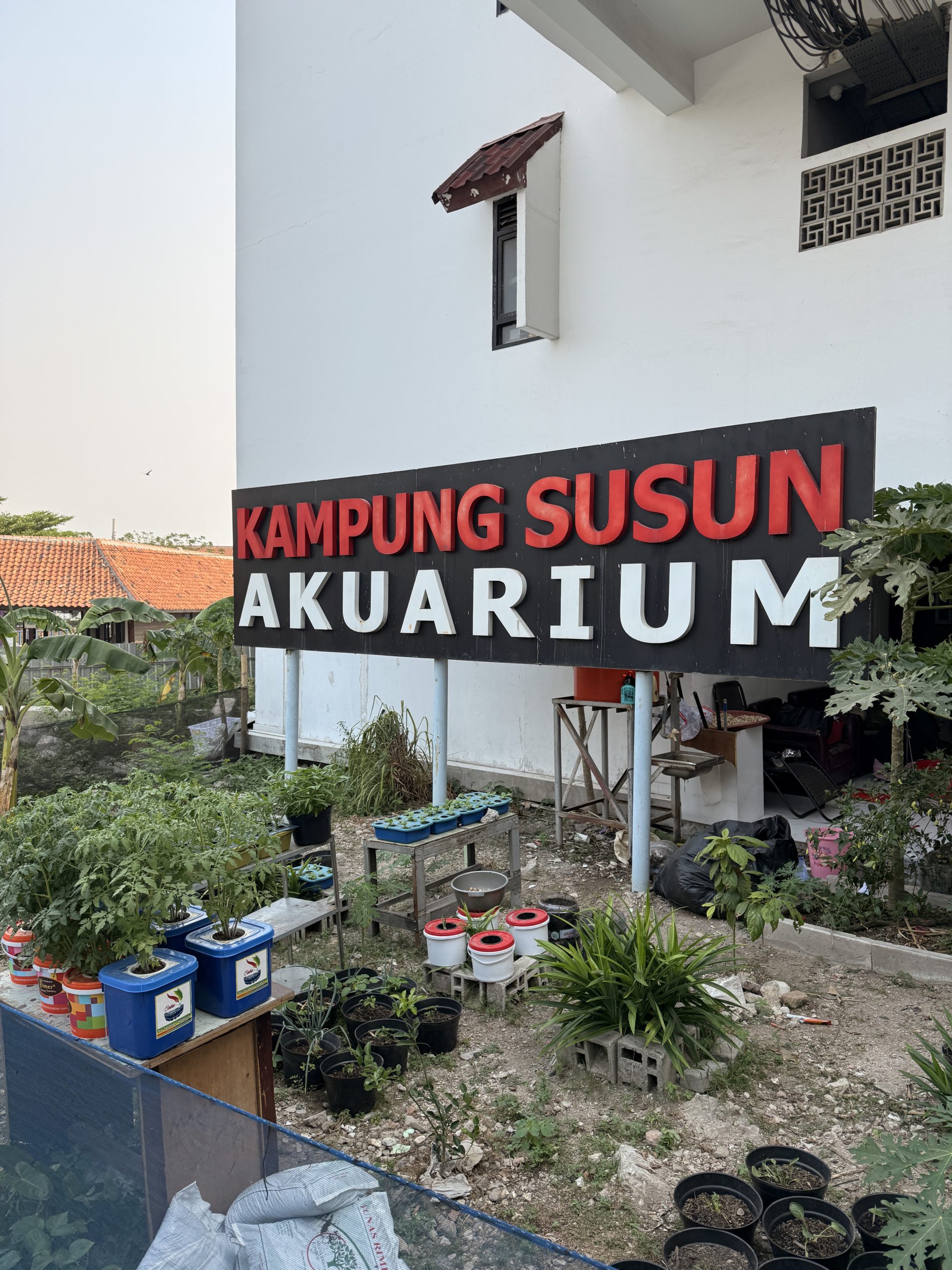
In Jakarta, the team met with residents of Kampung Akuarium and Kampung Susun Kunir. These two housing cooperative projects were established following evictions ordered by the local authorities. In response, residents, supported by UPC and other partner organisations, mobilised to defend their right to remain where they lived and to collectively develop an alternative to being rehoused in distant public housing.
This mobilisation was accompanied by several years of dialogue with the local authorities and participatory planning, enabling residents to play an active role in designing their future homes. The construction was also financed through an innovative mechanism: property developers are required to contribute to the provision of affordable housing. These obligations were converted into funding for construction, thereby mobilising private resources to support a housing project for the households concerned.
Today, residents are directly involved in managing these projects through their cooperatives.
At Kampung Akuarium, the shared facilities include a laundry, a guesthouse, a café, a water-refilling station and a garden. The basement also houses a clinic, a library and office space. The development also incorporates spaces for economic activities and community life.
At Kampung Susun Kunir, the building is home to 33 families and includes a commercial space for residents, a multi-purpose room, a community centre, a green space and a gallery dedicated to cultural heritage. Its design was developed collaboratively with residents through a Community Action Plan.
These experiences more broadly illustrate the role that housing cooperatives can play in contexts where access to land and decent, affordable housing remains challenging. With the support of UPC and its partners, communities organise themselves, build their capacity, develop networks and engage in advocacy with local authorities. They also demonstrate how funding mechanisms linked to developers’ obligations can be mobilised to support housing projects developed in partnership with communities.
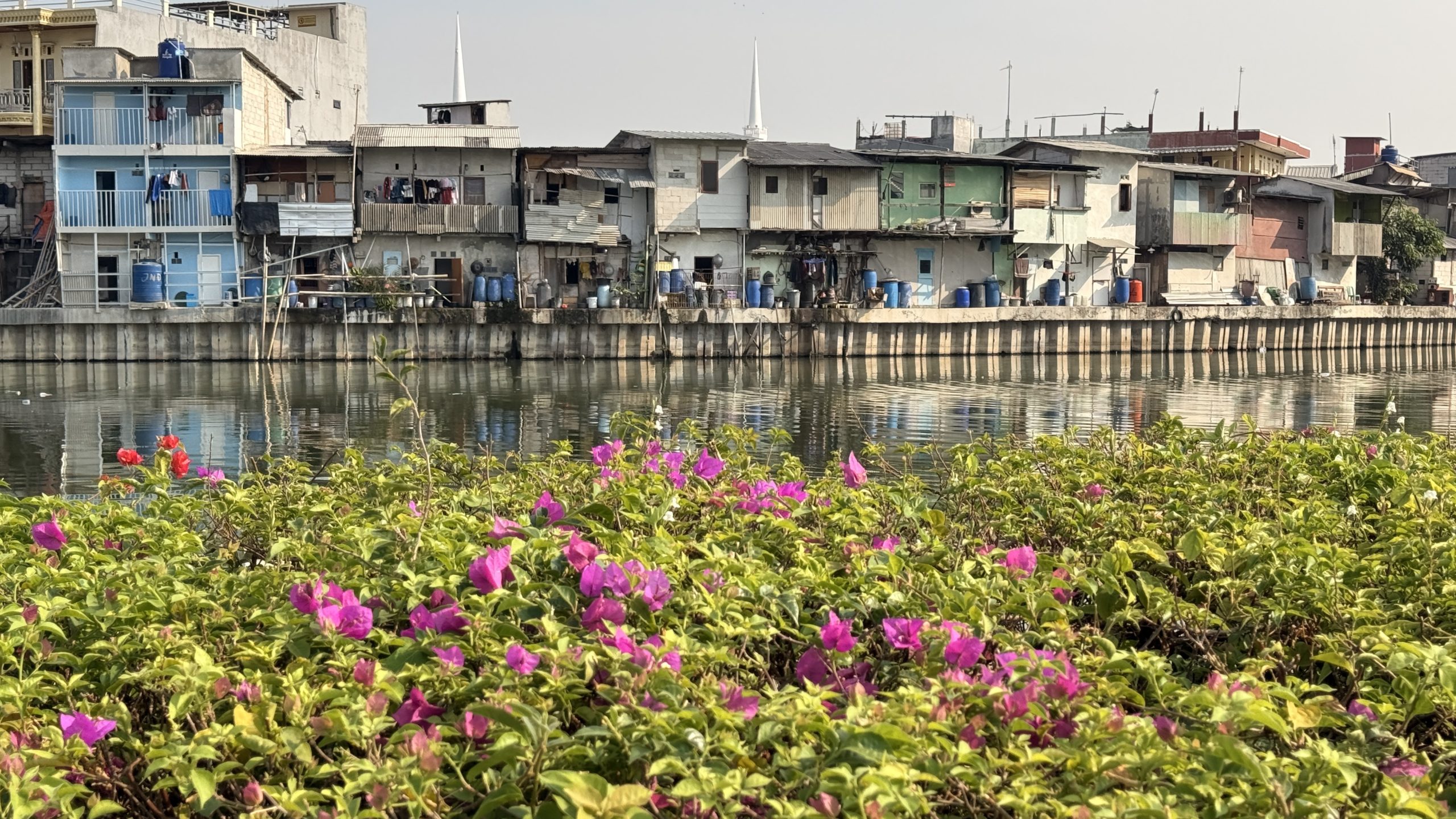
In addition, a visit was made to Kampung Muka. Unlike the first two kampungs, this neighbourhood is characterised by homes that have undergone little or no renovation. Here, the verticality seen in Kunir and Akuarium is absent, or at least takes a different form. The neighbourhood is instead characterised by its sprawling layout, the variety of materials used (wood, metal, brick, etc.), its density and the extremely close proximity of the homes. In many ways, this visit highlighted the importance of the advocacy efforts led by residents and UPC to improve the living conditions of local communities. Despite the socio-economic and urban challenges they face, these communities are able to organise collectively and make their demands heard, while also driving tangible changes in their surroundings.
Surabaya – Visiting Kampung Dukuh Kupang and Kampung Bratang
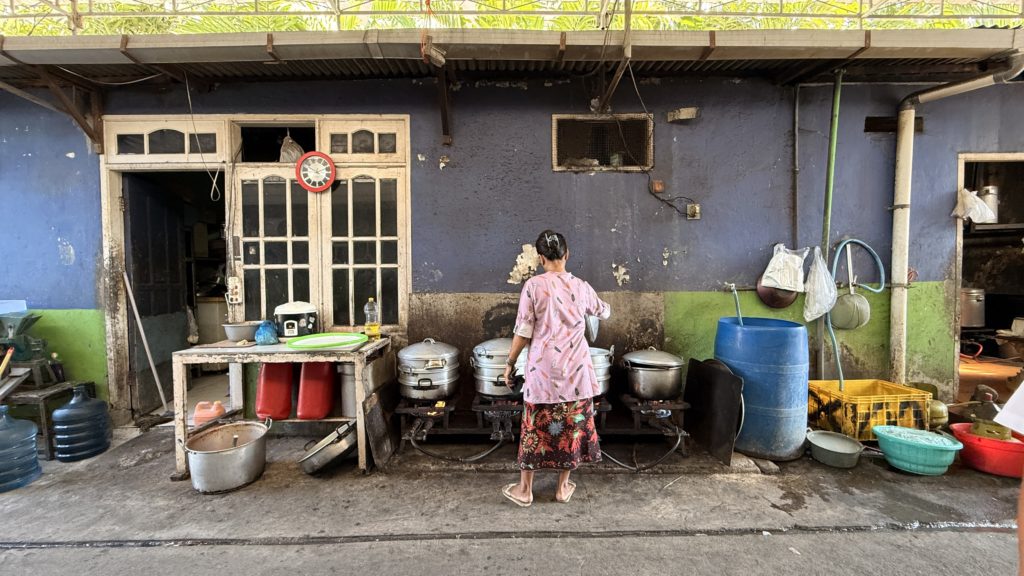
After Jakarta, the team travelled to Surabaya, in the east of the island of Java, where our partner arranged visits to two communities: Kampung Dukuh Kupang and Kampung Bratang. These visits provided a broader perspective on the experiences supported by UPC beyond Jakarta.
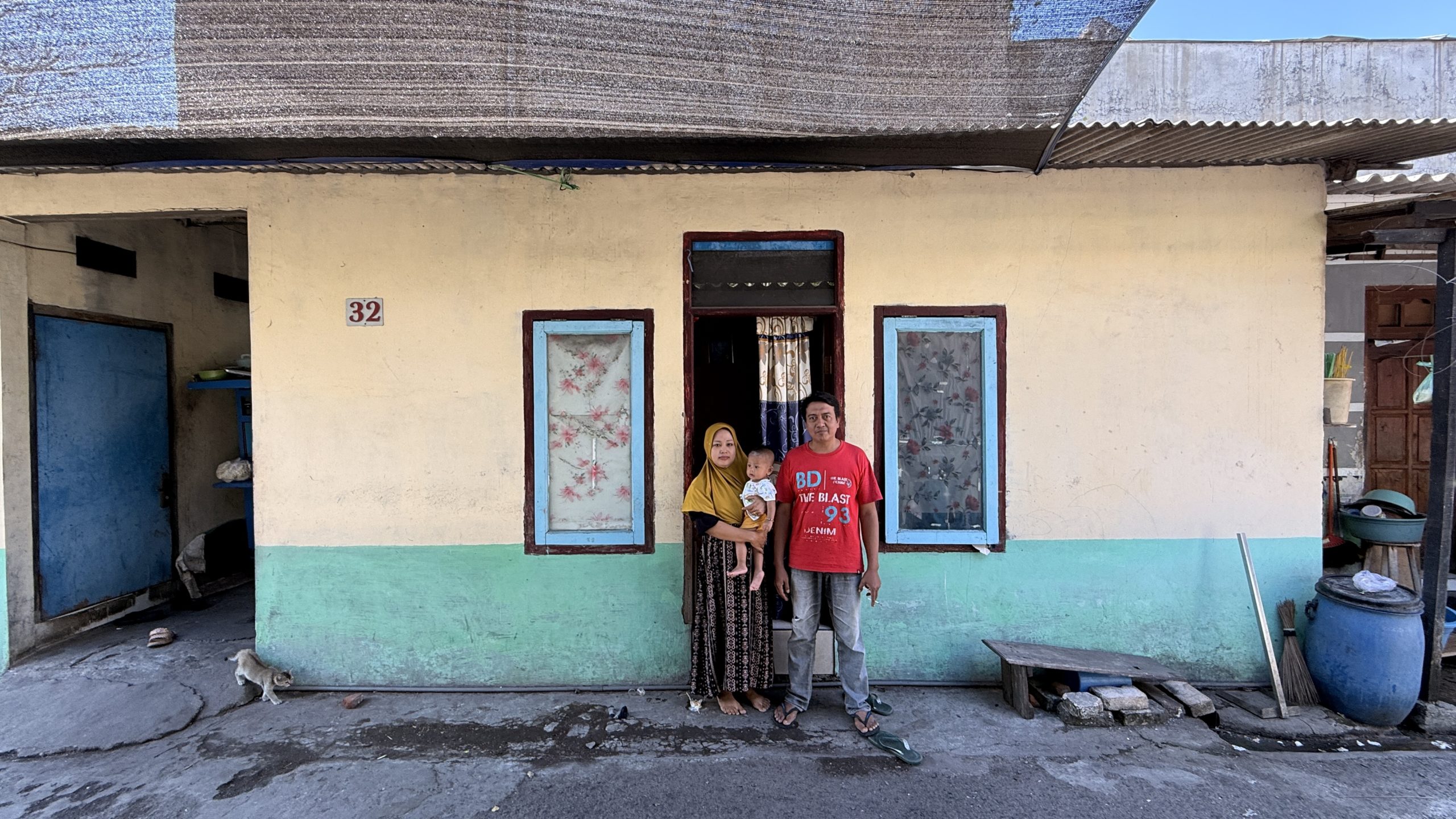
During these visits, the project managers met with community members, conducted interviews and, where possible, visited some of their homes. This provided the team with a deeper understanding of the history of these neighbourhoods, which often grew out of the occupation of land with no known owner, left unused and undeveloped.
In many cases, the first people to settle on these sites covered the costs of establishing themselves there and were later joined by family members or friends seeking employment opportunities.
Today, the complexity of land tenure issues in Indonesia means that families who have lived on these sites for two or three generations, and consider them their home, can still be evicted by local authorities because they lack formal proof of ownership. This is why these communities, with the support of UPC, engage in advocacy and organise themselves into cooperatives to address the economic and social challenges they face in their daily lives, while working towards greater socio-spatial justice.
These experiences highlight the importance of recognising the realities faced by communities and strengthening their ability to claim their rights, particularly in relation to housing and access to land.
National Women's Assembly: women at the heart of the cooperative movement
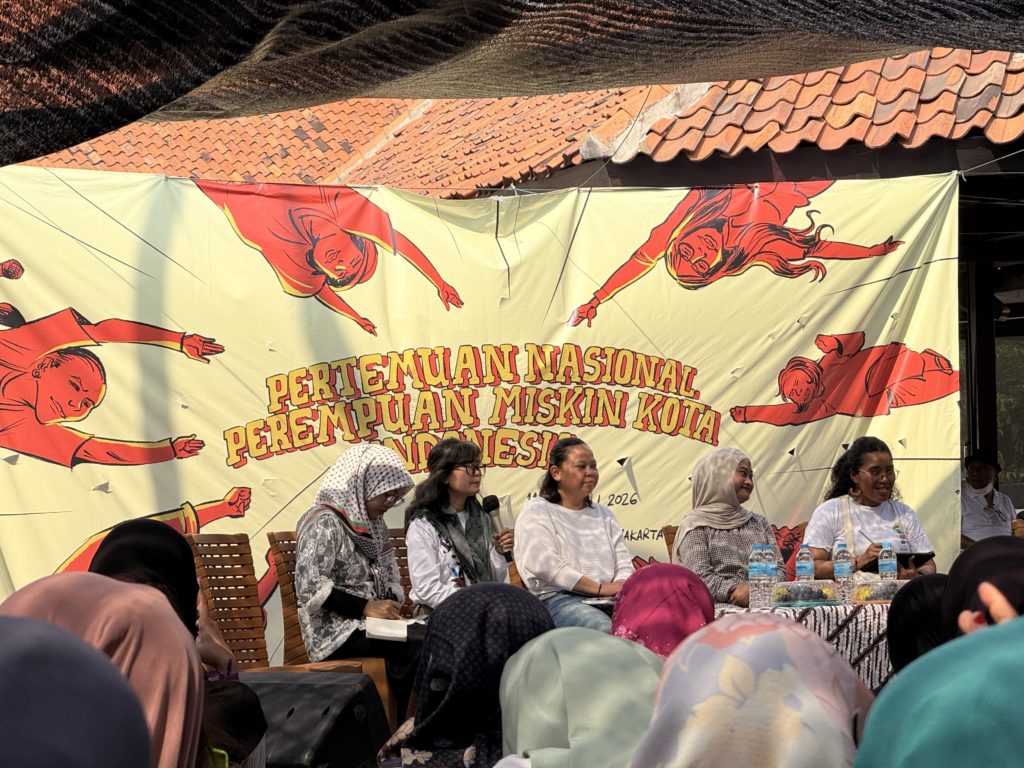
On 11 and 12 July, the team also took part in the National Women’s Assembly, organised by UPC and its various cooperative network partners. The event brought together women from cooperative movements across different regions of Indonesia.
Through roundtable discussions and workshops, community leaders and cooperative members shared their experiences, the progress made by their organisations, and the challenges they face in accessing land, engaging with local authorities and developing services within their cooperatives.
The discussions highlighted the range of approaches used by these networks, including community savings and loans, insurance and social protection, urban upgrading, and the development of income-generating activities. Together, these initiatives help improve the living conditions of women and their communities, while strengthening their capacity for collective action.
Léa Oswald, representing urbaMonde, also took part in a roundtable discussion, drawing connections between these experiences and those developed in other parts of the world. The discussion underscored that, despite significant differences in context, issues related to the housing crisis and the right to the city are shared across many parts of the world.
The partnership between urbaMonde and UPC
This field visit provided a deeper understanding of the diversity and complexity of UPC’s work across different regions of Indonesia, supporting the strengthening of housing cooperatives and informal urban communities.
It also provided an opportunity to take stock of the partnership between urbaMonde, UPC and the community organisations that make up its network. Since 2024, support from Swiss donors has helped strengthen UPC’s organisational structure and consolidate its national network.
Significant progress has been made: primary cooperatives have now been established in nine cities; the network has expanded to include more kampungs and new members; 26 plots of land have been identified as part of public land reform applications; and cooperatives are developing a wider range of social services and economic activities.
The movement is, however, still in the process of consolidating. The legal framework governing cooperatives and land reform remains a key issue, alongside the need to strengthen advocacy, education and health services, access to water, and cooperation with public authorities.
This field visit reminds us that community-led change takes time. Organising, building networks, strengthening cooperatives and making their voices heard are all essential steps towards enabling residents to play a full role in shaping their cities and defending their right to housing and to the city.
The new phase of the project, running until 2029, builds on this momentum, with a focus on strengthening housing cooperatives to enhance land tenure security and the right to housing in Indonesia.